Last updated on April 23, 2026
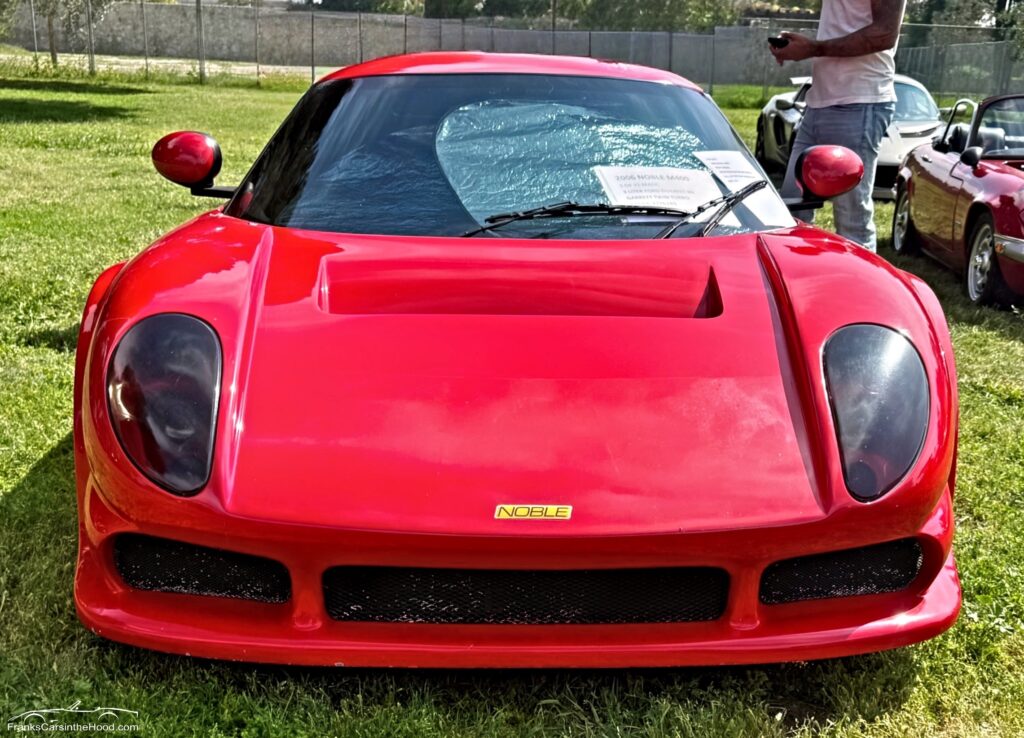
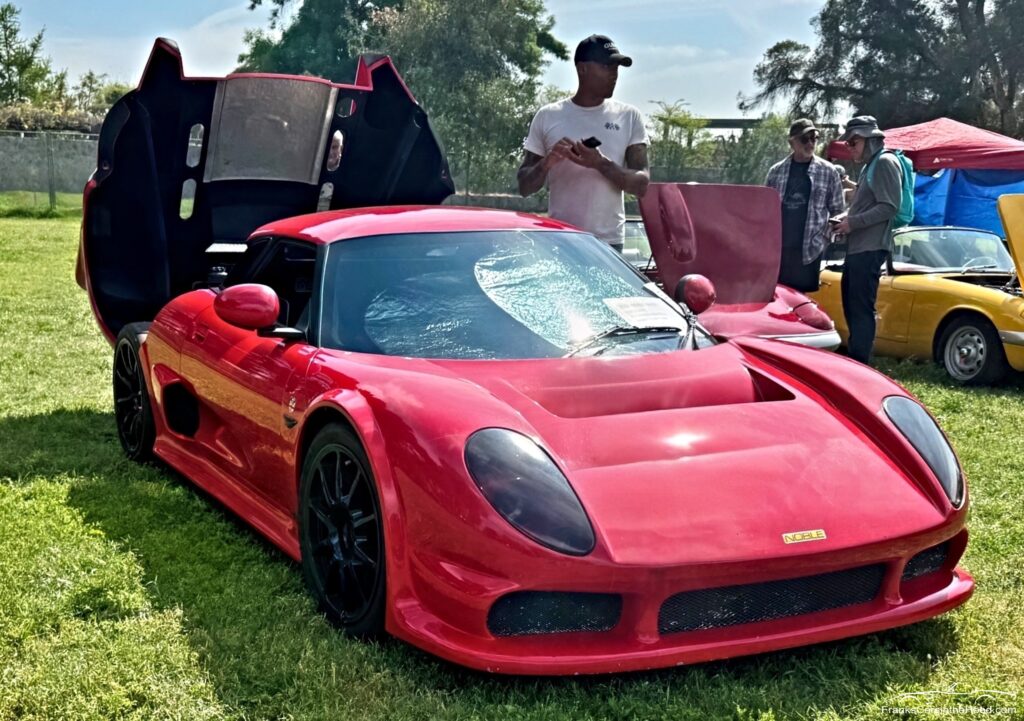
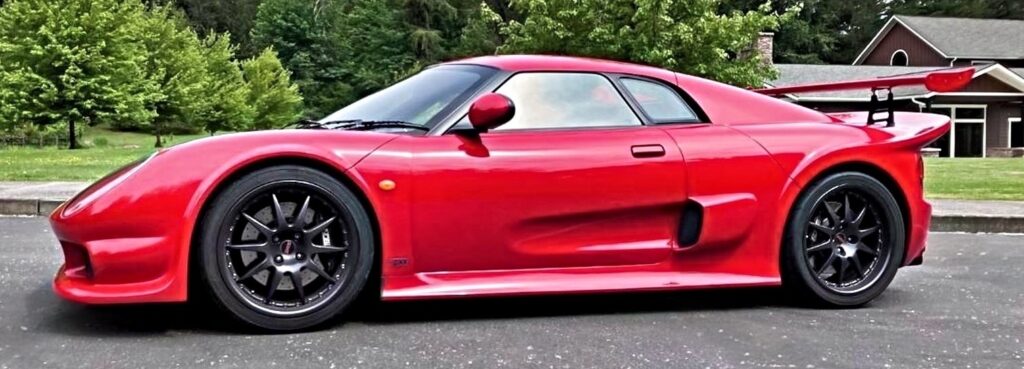
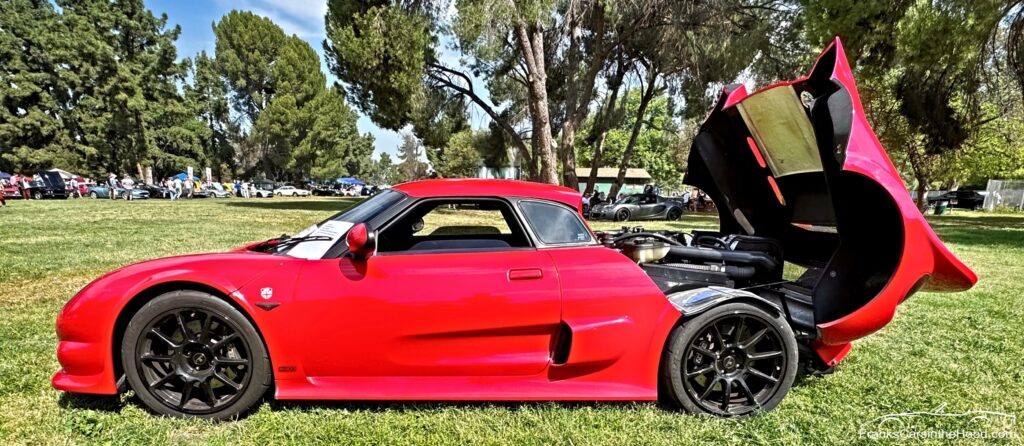
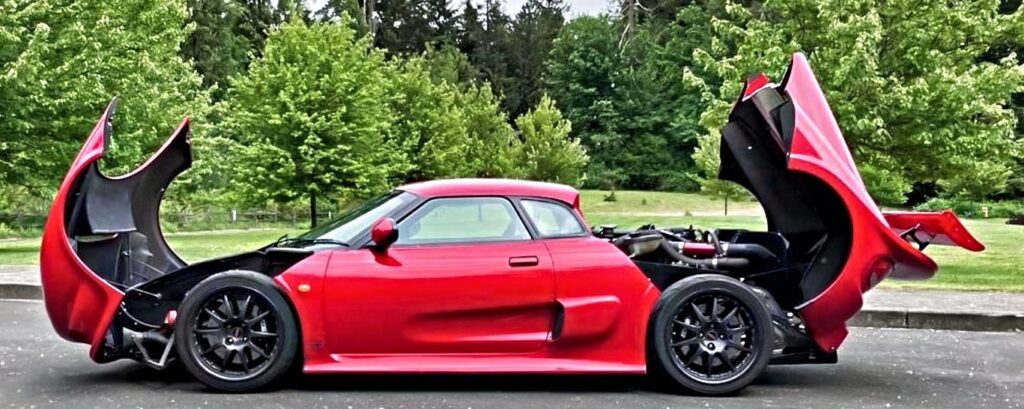
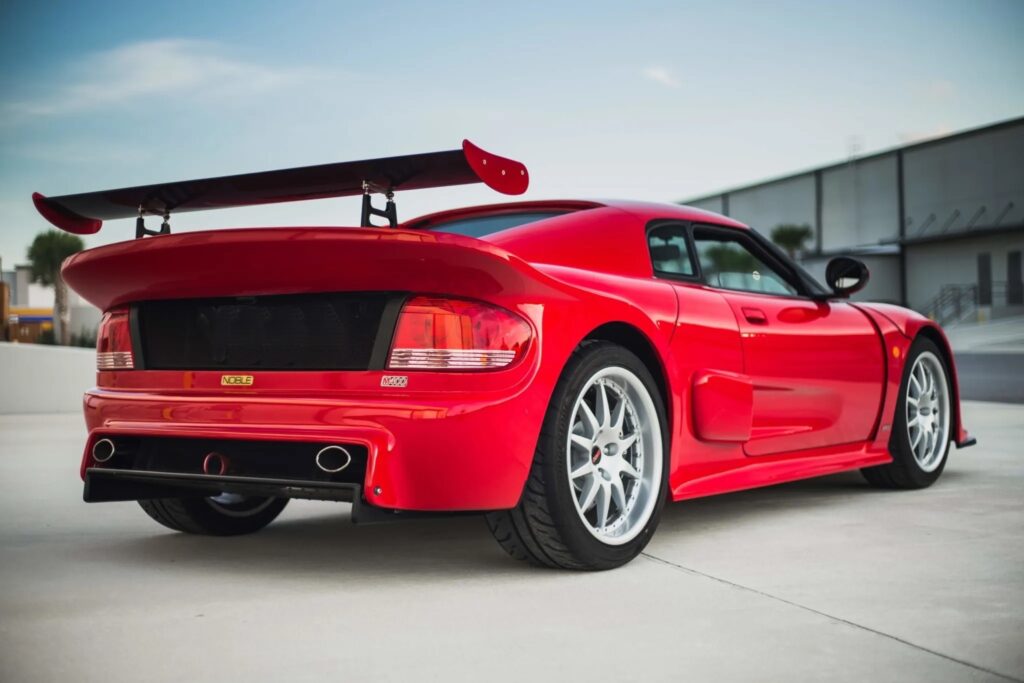
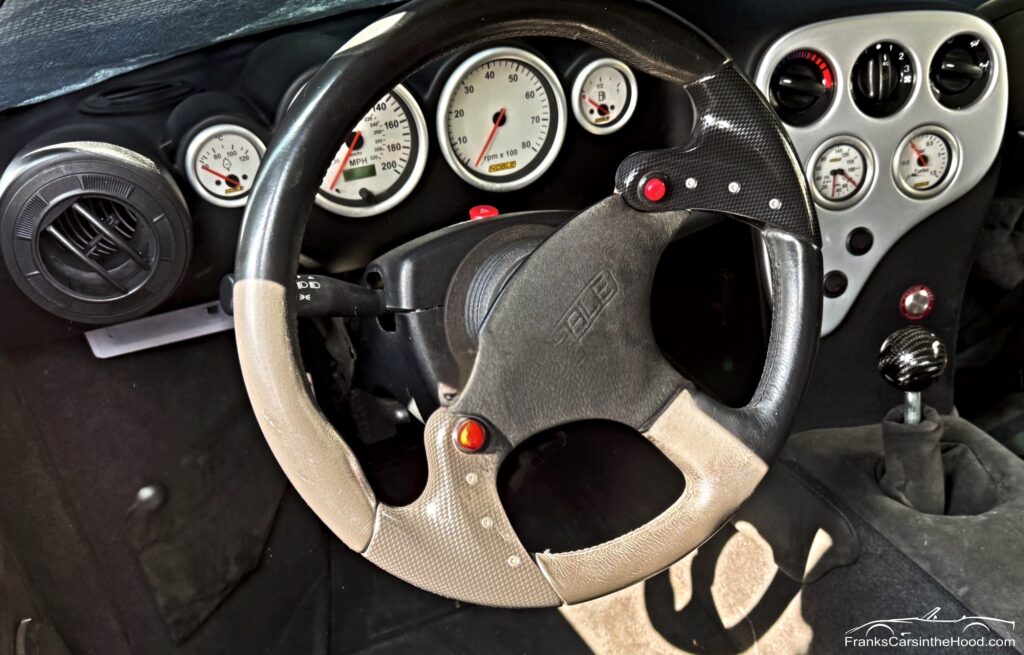
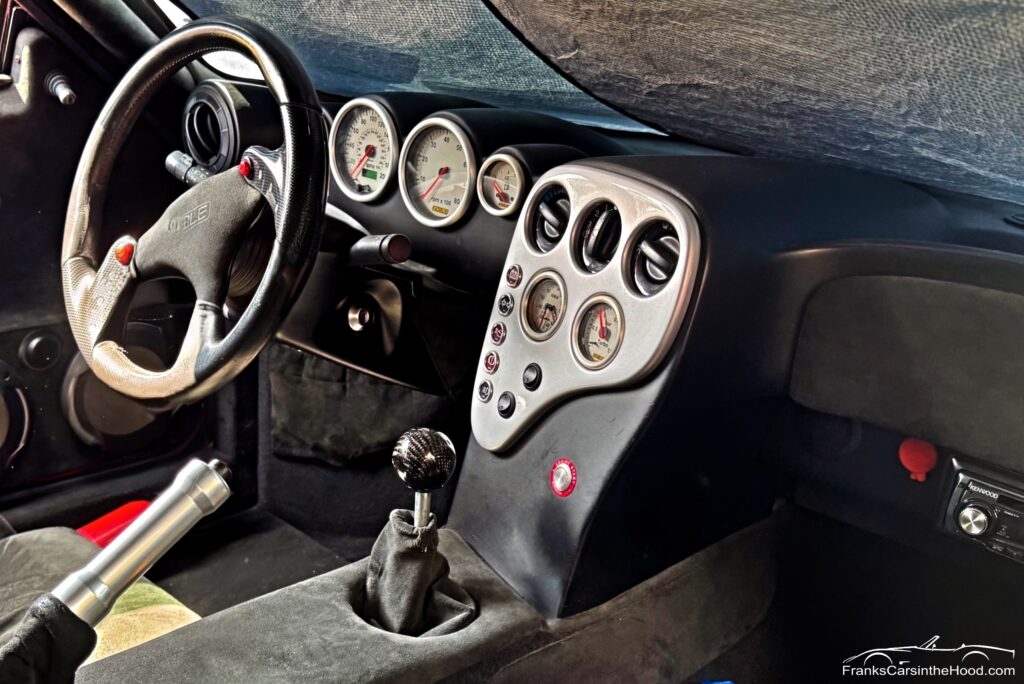
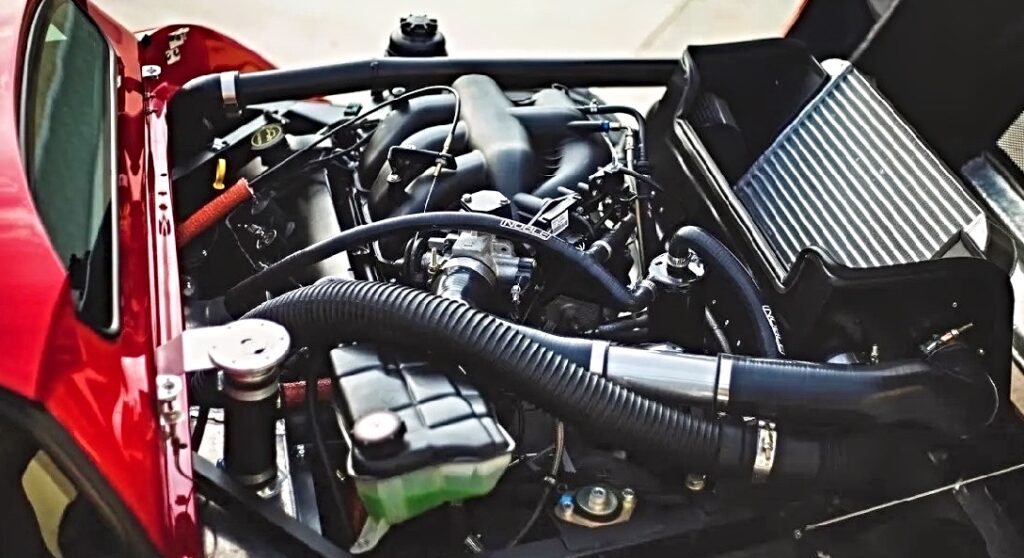
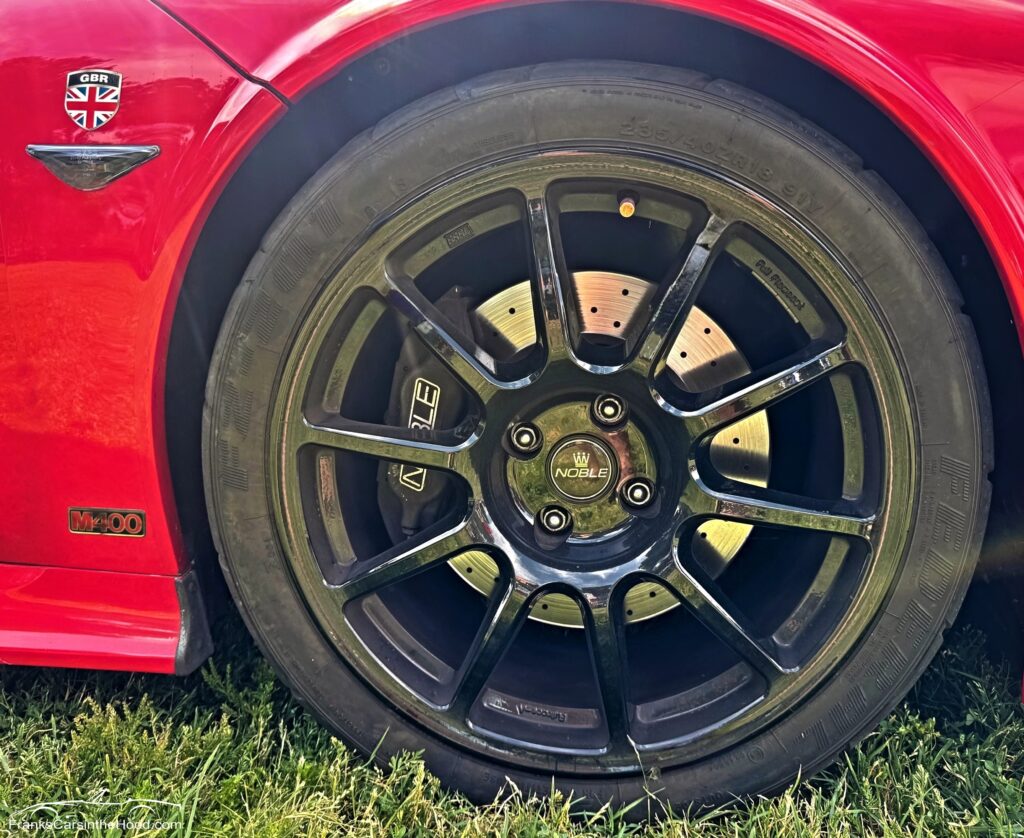
Today’s car is a 2006 Noble M400, which I photographed at the Queen’s English All-British Car Show at Woodley Park in Van Nuys, California. The M400 is a purpose-built performance machine that places driving above all else. The composite body is finished in red with Sparco bucket seats covered in black Alcantara. Power comes from a 3.0-liter Ford Duratec V6 with DOHC and electronic fuel injection, fitted with Garrett T28 twin-turbochargers and producing 425 horsepower. Power is sent to the rear wheels through a Getrag six-speed manual gearbox in a mid-engine layout and a Quaife limited-slip differential. Braking is handled by cross-drilled rotors with Noble-branded AP Racing calipers at each corner. Built on a steel space frame chassis, the M400 features double wishbone suspension with coilovers and anti-roll bars up front and double wishbones with coilovers in the rear, along with 13.2-inch ventilated disc brakes. It rides on factory staggered 18-inch alloy wheels, wrapped originally in 225/40ZR18 front and 265/35ZR18 rear tires.
I didn’t get the chance to meet the owner of this one, but the car itself tells a pretty clear story. Even among a field of traditional British cars, the Noble stood apart. The red finish emphasizes the car’s sharp lines and functional openings, while the overall stance is low, wide, and planted. There’s nothing decorative about the design—strictly functional, everything serving a purpose. The cockpit is equally focused, with a layout that favors the driver over comfort. Even at rest, the M400 gives the impression that it would rather be on a track than sitting on the grass at a show.
Noble Automotive was founded in 1999 by British engineer and automotive designer Lee Noble, who built his reputation creating lightweight, high-performance sports cars that emphasized driving feel over luxury or brand prestige. Before launching his own company, Noble had been involved in developing several niche performance cars, refining a philosophy centered around low weight, balanced chassis design, and accessible power. The company quickly earned a reputation for producing cars that could compete with far more expensive supercars, while staying true to a driver-first philosophy.
The M400 didn’t arrive in isolation. Noble’s earlier M10 and M12 models established the foundation, with lightweight construction and strong performance from a relatively simple formula. By the time the M12 GTO-3R was introduced, the platform had already proven itself, setting the stage for a more focused and powerful evolution in the M400. Developed as a sharper version of that platform, the M400 was engineered with the goal of improving track and road performance. Engineers increased power, revised the suspension, and sharpened the overall setup to make the car more responsive and capable at higher limits. Updates included revised springs and shocks, the addition of a front anti-roll bar, wider and stickier tires, and increased boost from larger turbochargers. The result was a machine that stayed true to Noble’s original philosophy, lightweight, simple, and highly effective.
To meet U.S. emissions and safety requirements, the M400 was sold as a component car without an engine or transmission. This approach allowed Noble to bring the car to market while meeting U.S. regulatory requirements. The body and chassis were manufactured in South Africa by Hi-Tech Automotive and imported to the U.S. through 1G Racing in Hamilton, Ohio. For U.S. buyers, drivetrain components were sourced separately, with companies such as AER Manufacturing supplying the Ford-based 3.0-liter DOHC V6, while other components, including the turbo system and transmission, were provided through specialty suppliers. Engine control calibration was handled through a Roush-developed ECU, helping adapt the turbocharged Ford-based V6 for U.S. use. Final assembly was completed either by 1G Racing or by the customer and required additional time and cost, depending on configuration and options.
Production of the M400 was extremely limited. Produced between 2004 and 2007, the M400 remained an extremely low-volume car, with approximately 75 units built. With a base price around $90,000 and as-tested prices approaching $98,000 depending on assembly and options, the M400 delivered performance that rivaled far more expensive supercars. With approximately 425 horsepower moving a car weighing around 2,400–2,500 pounds, the M400 was capable of 0–60 mph in about 3.3 seconds and a top speed approaching 185 mph.
Period testing showed just how capable the M400 was at the limit. Acceleration was immediate and forceful, with the twin-turbocharged V6 providing a broad and usable power band. While some noted that the gearbox could be reluctant during aggressive shifting, many of these characteristics could be improved with proper setup and adjustment. On the road, opinions on steering feel varied, but on the track the car was praised for its balance, grip, and predictability at the limit. The M400 rewarded smooth inputs and inspired confidence, delivering performance in a way that felt controlled and precise.
This rare Noble M400 is the kind of car that doesn’t try to be everything to everyone. It was built with a clear purpose and delivers what it promises. It’s a rare sight, and one that’s very hard to ignore when you come across it. It would be at home at any British car show or at a Cars & Coffee gathering where enthusiasts gather to figure out what it is, but it really belongs on a track or carving through canyon roads where it can be driven the way it was intended.
Thanks for riding along.
Frank