Last updated on July 23, 2026
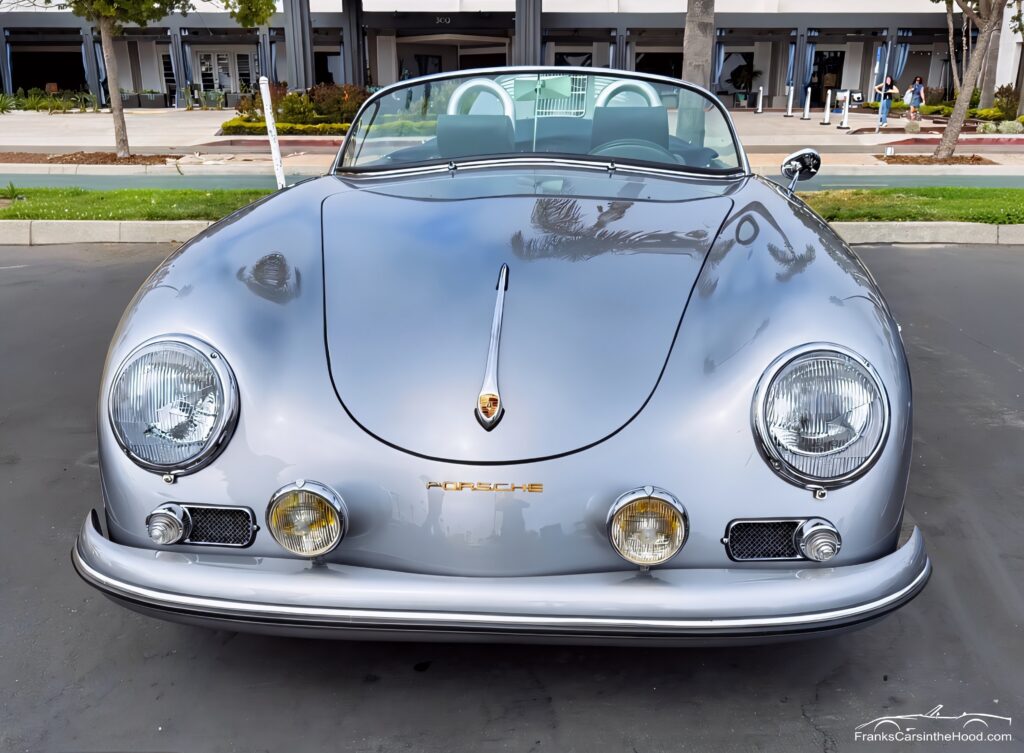
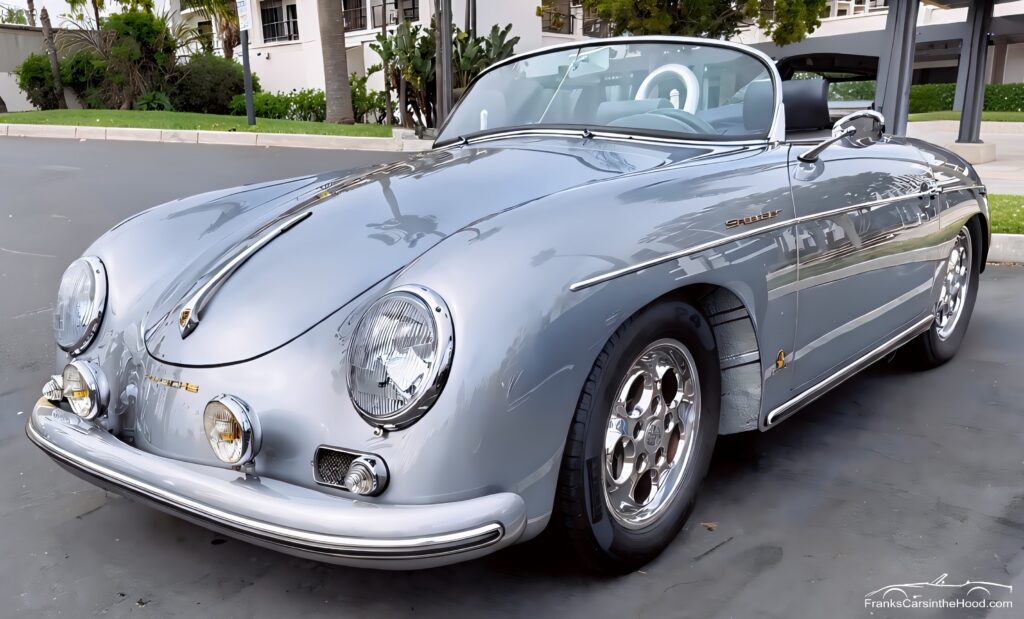
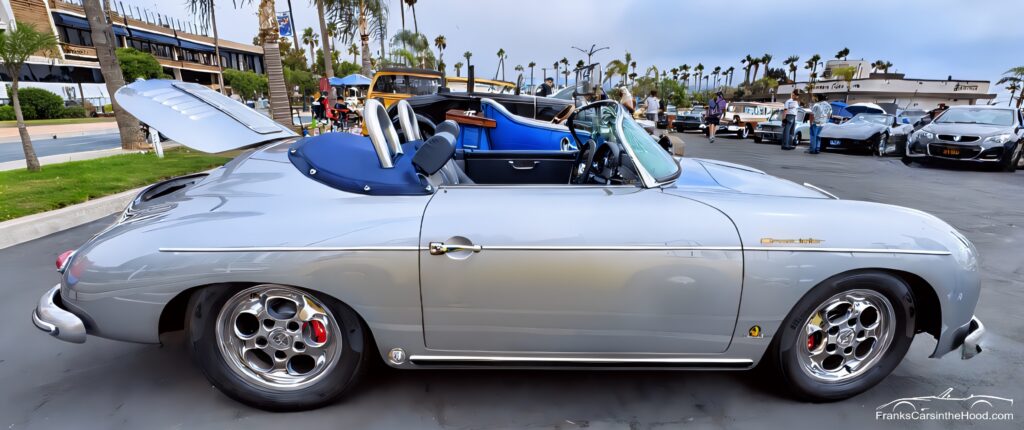
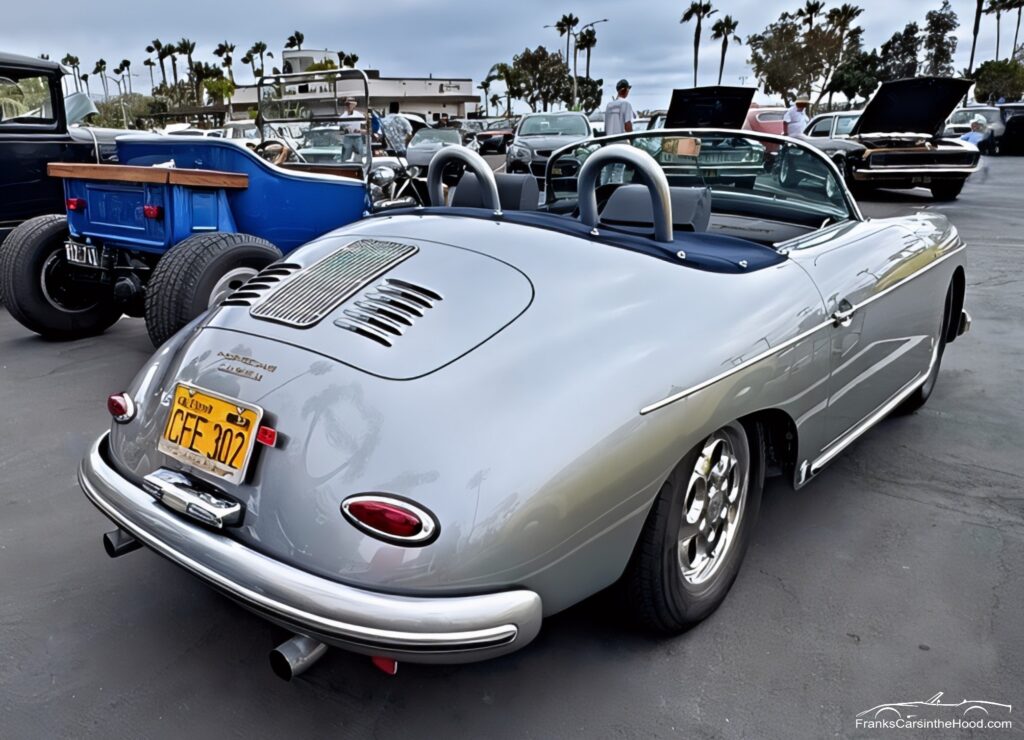
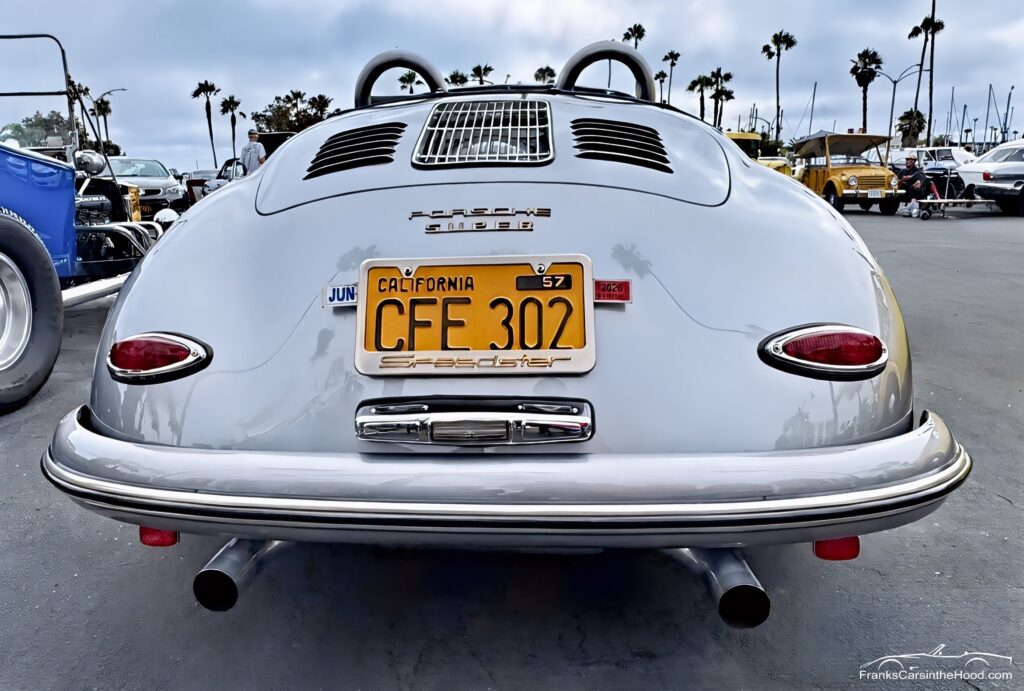
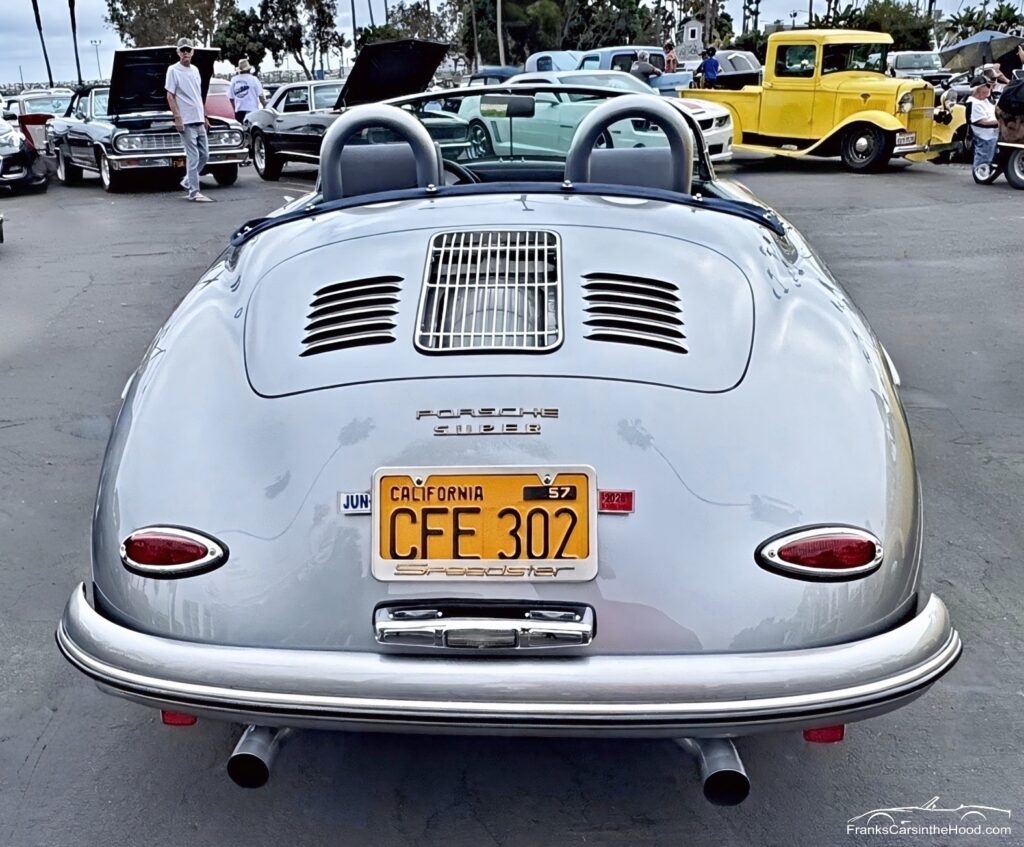
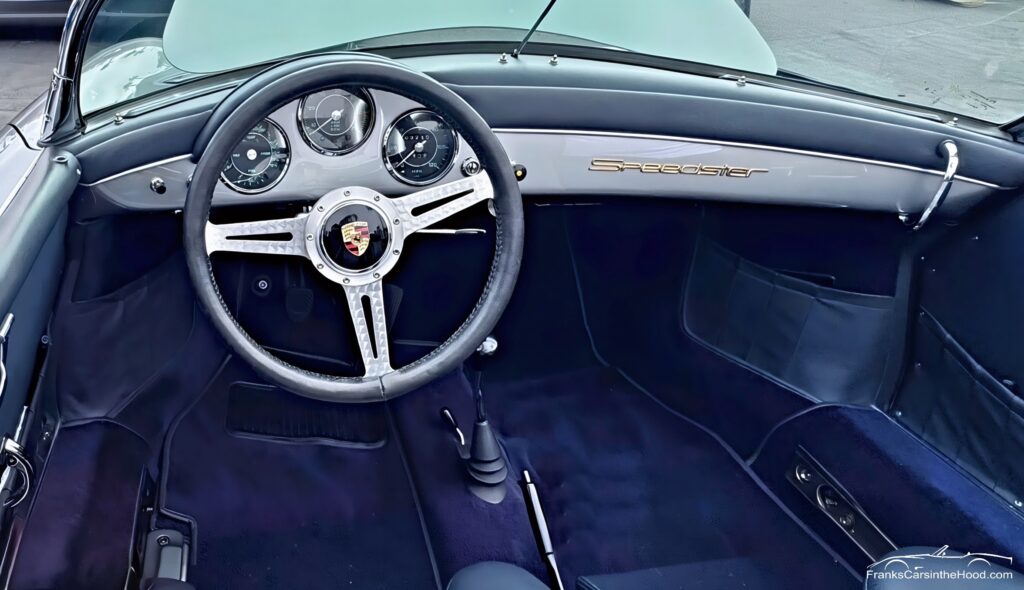
Today’s car is a 1957 Porsche 1600 Speedster owned by John Nisley, which his brother Rob brought to Cruzin’ the Lagoon at the Redondo Beach Marina in Redondo Beach, California, where I photographed it. Finished in elegant Silver Metallic and a two-tone blue interior with a matching Silver Metallic dashboard and seat inserts, this Speedster is stunning from every angle. At first glance, it captures everything enthusiasts love about the original Porsche Speedster. Only a closer look reveals the extraordinary engineering beneath its timeless appearance, thoughtfully designed to deliver the performance, reliability, and drivability expected on today’s roads while preserving the character that made the Speedster a legend.
To understand why the Speedster became one of Porsche’s most beloved sports cars, you first have to look at where it all began. Ferdinand Porsche founded his engineering company in 1931, but it was his son, Ferry Porsche, who fulfilled the family’s dream of building a sports car that carried the Porsche name. Working alongside renowned designer Erwin Komenda, Ferry introduced the first Porsche 356 in Gmünd, Austria, in 1948. Built around a lightweight chassis with its engine mounted behind the rear axle, the 356 established the engineering philosophy that would define Porsche sports cars for decades to come.
Between 1952 and 1953, Porsche built just 16 aluminum-bodied America Roadsters at the request of New York importer Max Hoffman. While they delivered the lightweight performance Hoffman wanted, they were expensive to produce and sold for about $4,600. Hoffman believed there was a market for a simpler, less expensive open Porsche, leading to the introduction of the steel-bodied Speedster in 1954. With its low removable windshield, lightweight bucket seats, side curtains, and simple folding top, the Speedster offered an authentic sports car experience for less than $3,000.
The earliest Speedsters belonged to what enthusiasts today commonly call the Pre-A generation of the 356. For 1956, Porsche introduced the 356A, bringing revised suspension, smaller 15-inch wheels with wider tires, changes to the dashboard and instrumentation, and revised seats and interior details. The most important change was the introduction of the 1,582 cc air-cooled flat-four engine, giving the 1600 its name.
For 1957, the standard 1600 Speedster produced 60 horsepower, backed by a four-speed manual transmission. Weighing approximately 1,675 pounds, it had a top speed of about 99 mph and could reach 60 mph in roughly 13 seconds. With an original base price of approximately $3,000, the Speedster remained one of the least expensive ways to put a new Porsche in your garage.
John Nisley’s Speedster is a very different car beneath its original appearance. Every major mechanical system was upgraded to make it faster, safer, and more capable while preserving the timeless look of a stock 1957 Speedster. As Rob Nisley explained, they wanted it to look stock while performing at the highest level they could reasonably achieve. That philosophy guided every decision, from the engine and transmission to the suspension, brakes, cooling system, and countless small details throughout the build.
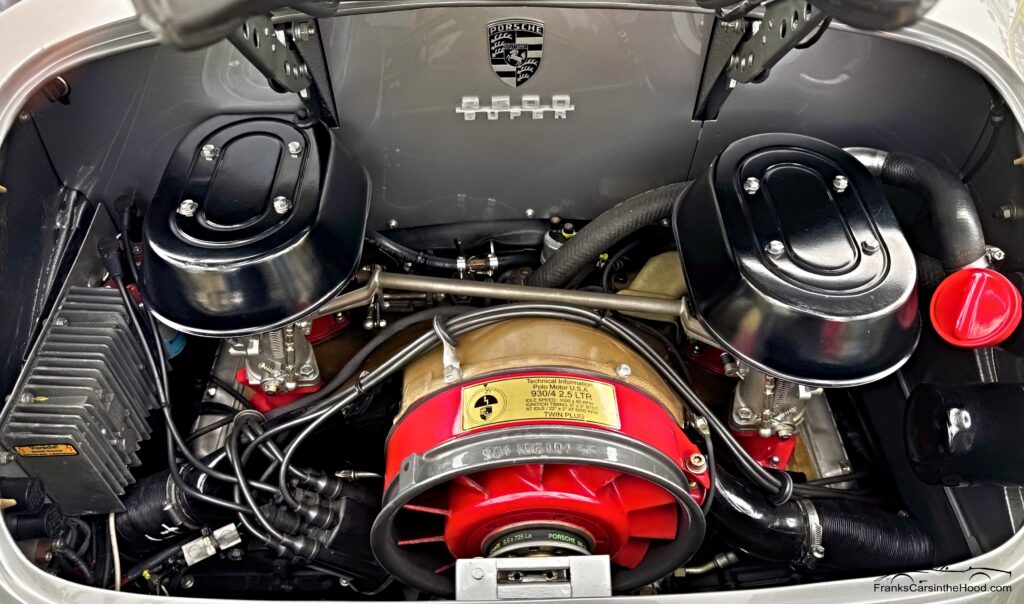
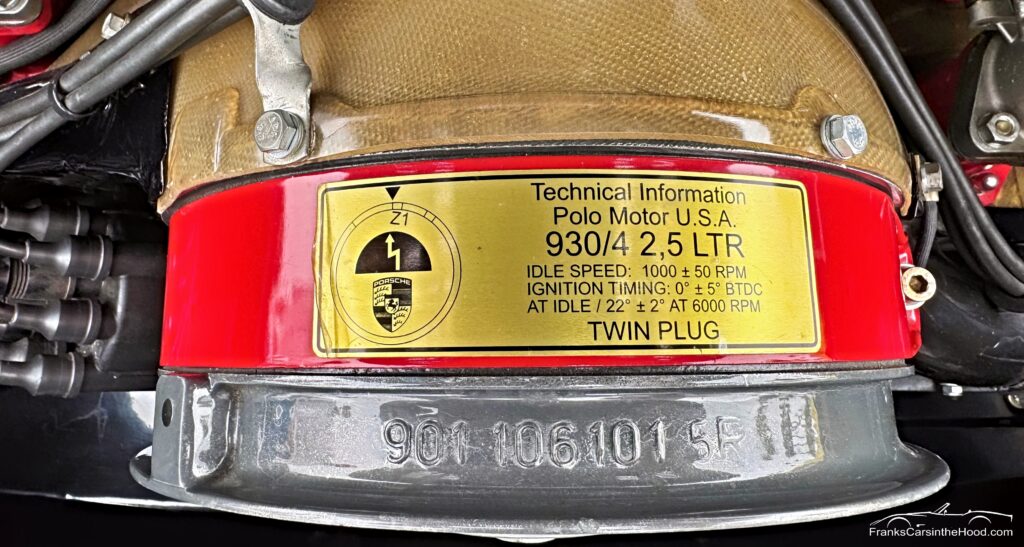
Powering John Nisley’s Speedster is a Dean Polopolus-built Polo four-cylinder engine producing approximately 200 horsepower through dual Weber carburetors. Rather than simply building a more powerful version of Porsche’s original 356 engine, Polopolus developed a purpose-built four-cylinder based on the overhead-cam architecture and engineering philosophy of Porsche’s long-lived six-cylinder 911 engine, adapting it to fit the compact dimensions of the 356 chassis. The result is a thoroughly modern powerplant that preserves the Speedster’s balance and character while benefiting from decades of Porsche engine development.
To harness that performance, the Nisleys paired the engine with a Porsche 901 five-speed manual transmission specially geared for this Speedster. They selected lower gear ratios for the first four gears to maximize acceleration, while retaining a taller fifth gear for relaxed highway cruising at modern freeway speeds. The result is a drivetrain equally comfortable on winding back roads or extended highway trips, cruising effortlessly at 75 to 80 mph while still delivering approximately 20 miles per gallon.
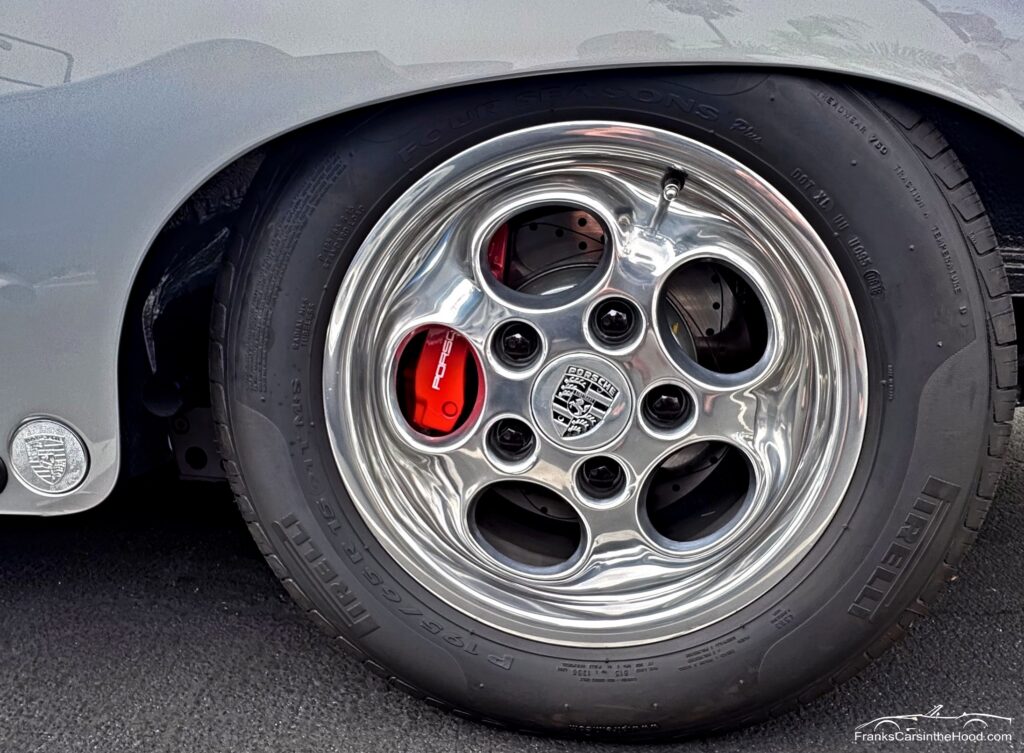
With more than three times the original horsepower, the rest of the car had to be equally capable. The Nisleys upgraded the Speedster with a 1968 Porsche 911 rear suspension and Porsche 944 four-wheel disc brakes, creating a chassis that matches the engine’s performance. Rather than simply making the car faster, these carefully selected components provide the handling, stability, and stopping power needed to inspire confidence on today’s roads.
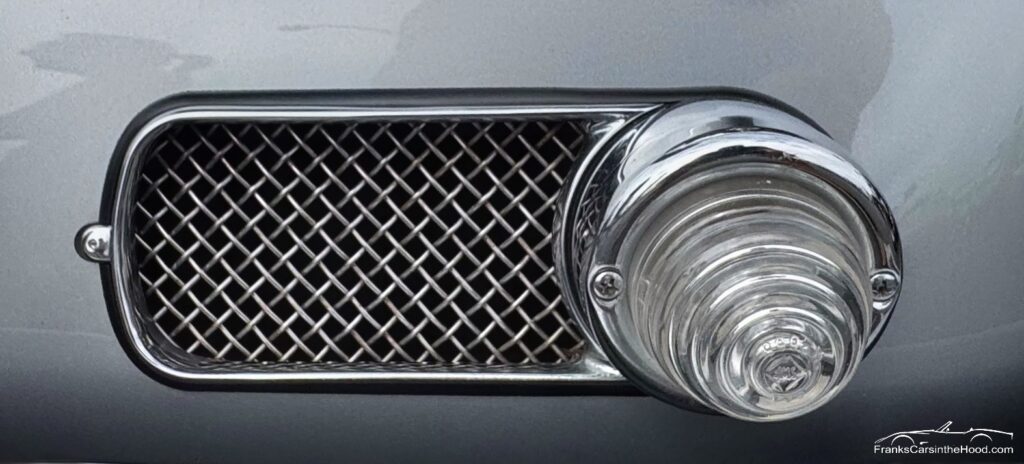
Keeping all of that performance under control required equal attention to cooling. The Nisleys fabricated a custom oil-cooling system using twin front-mounted oil coolers fed through discreet openings beneath the headlights and connected by Dash 12 oil lines. The installation required nearly six months to complete, yet the finished system is almost invisible. Rob told me the engine has never exceeded 210 degrees, even in Southern California traffic.
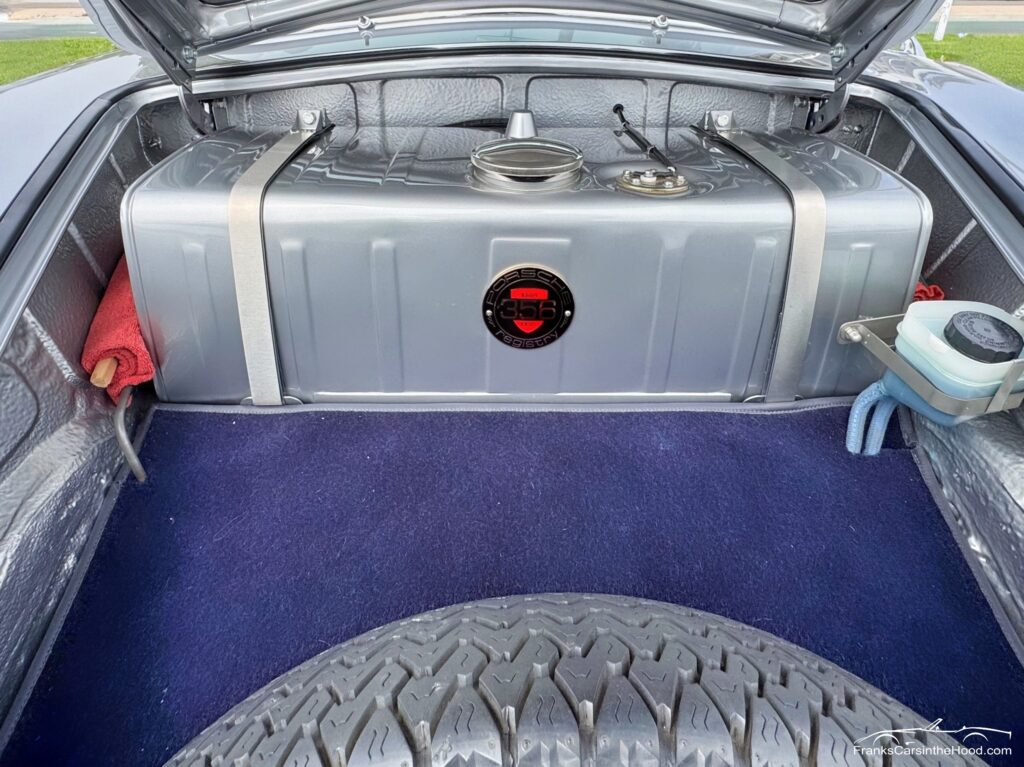
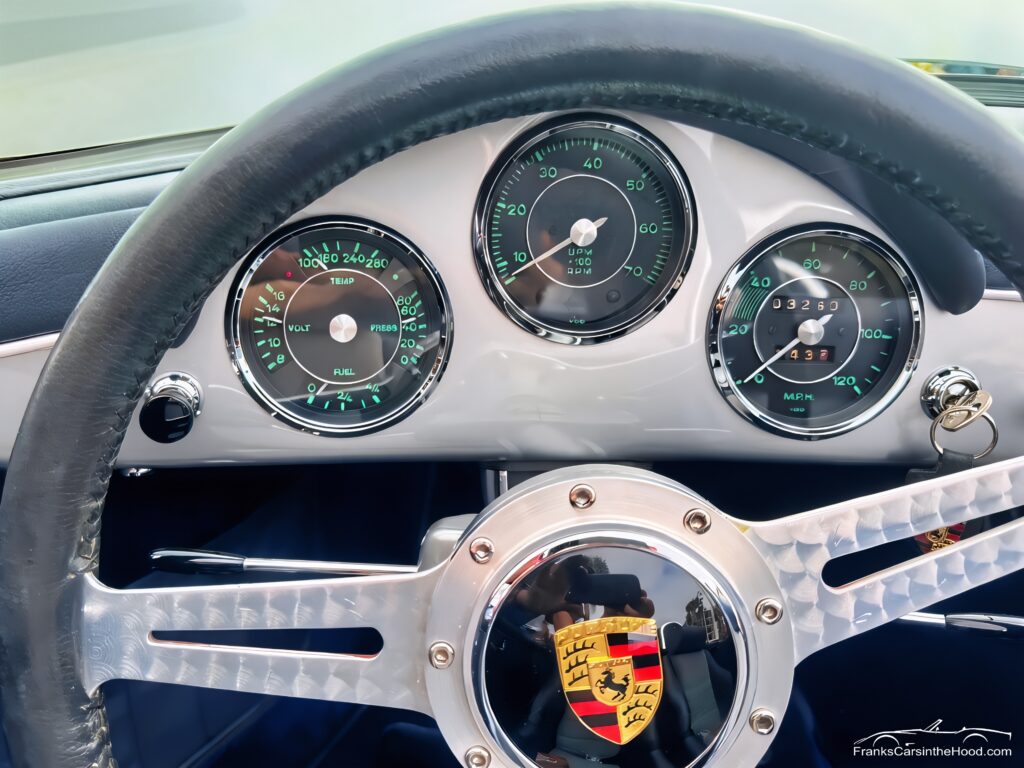
The engineering beneath the body is impressive, but the craftsmanship is equally remarkable. Finished in Silver Metallic, one of the most unforgiving colors to apply, every ripple, wave, or imperfection would immediately stand out. The body preparation, panel fit, and paintwork reflect an extraordinary level of care, extending even to the front trunk where the fuel tank was finished to the same high standard as the exterior. Inside, the original instrument cluster was updated with VDO gauges, replacing the factory voltage and oil pressure warning lights with real-time gauges while retaining the original appearance of the cockpit. It’s the kind of attention to detail that rewards a closer look and reveals a build where nothing was overlooked.
John Nisley’s 1957 Porsche 1600 Speedster may look remarkably original, but beneath its timeless appearance is a thoroughly reengineered driver’s car that honors the spirit of the original while benefiting from decades of Porsche development. Every modification has a purpose, every detail has been considered, and nothing feels out of place. As we stood admiring the finished car, I remarked, “It’s all in the details.” Rob smiled and replied, “Yeah, finally… it’s all in the details.” If you happen to see this remarkable Speedster at a Porsche event, a Cars & Coffee gathering, or carving through your favorite canyon road, take a closer look. The closer you look, the more you’ll appreciate just how thoughtfully this extraordinary Porsche was built.