Last updated on June 17, 2026
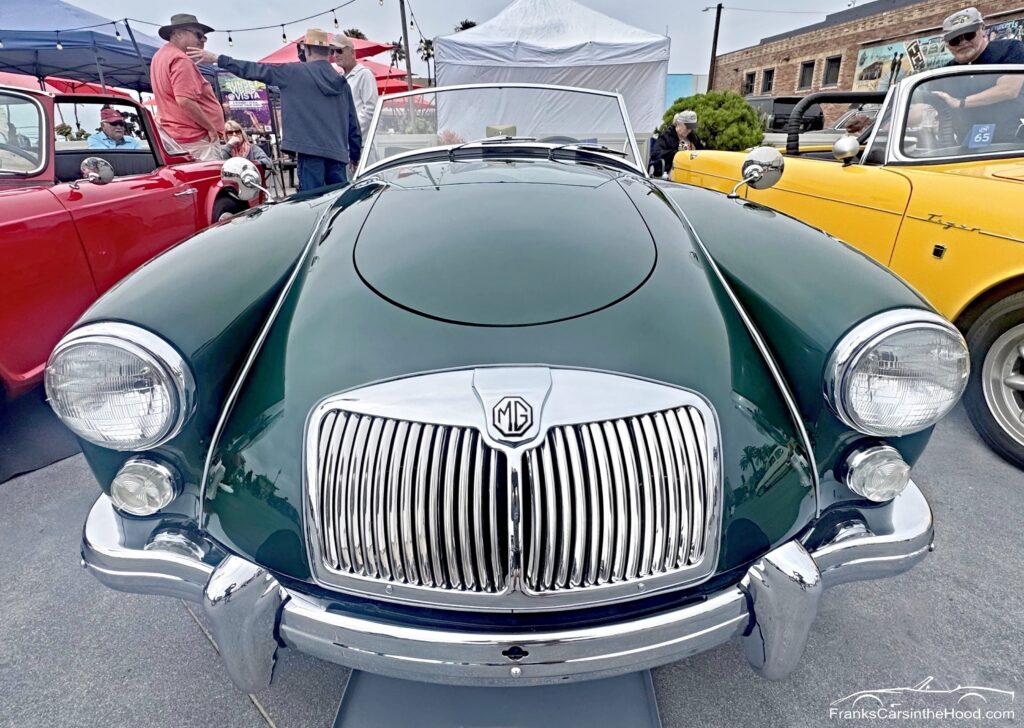
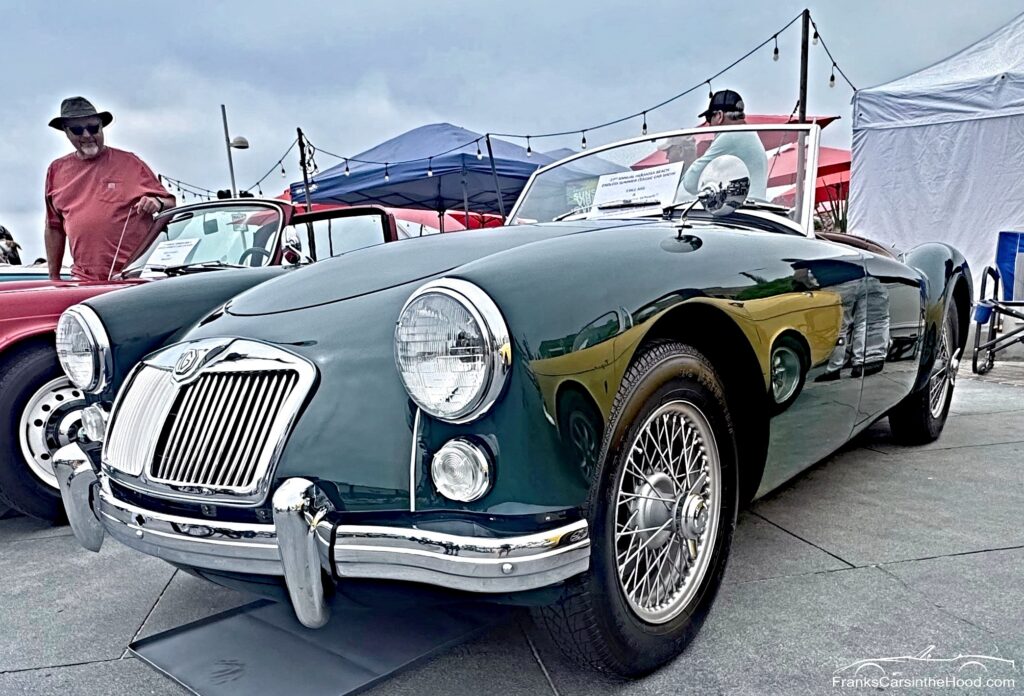
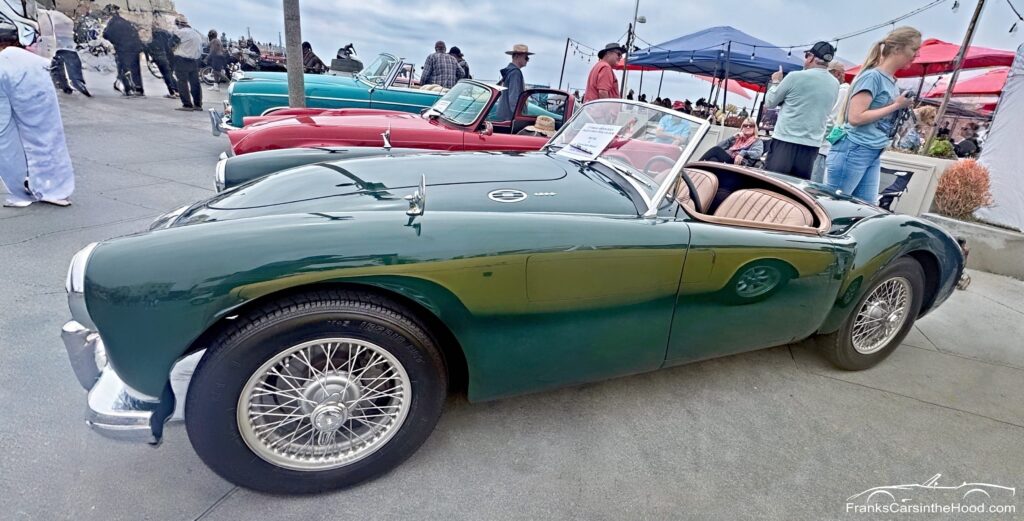
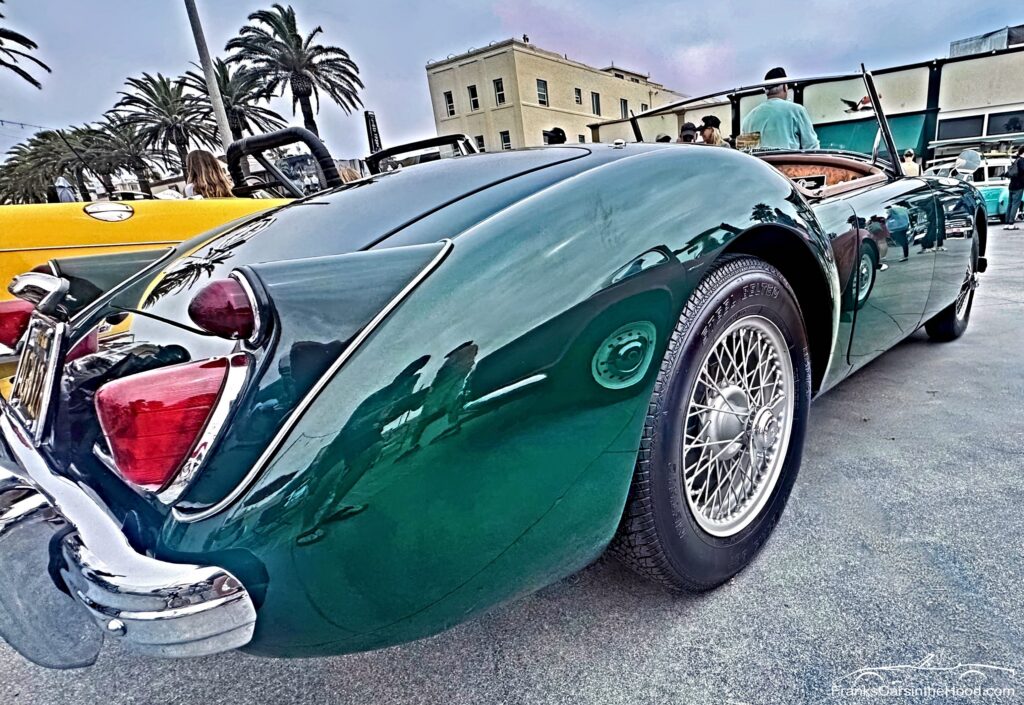
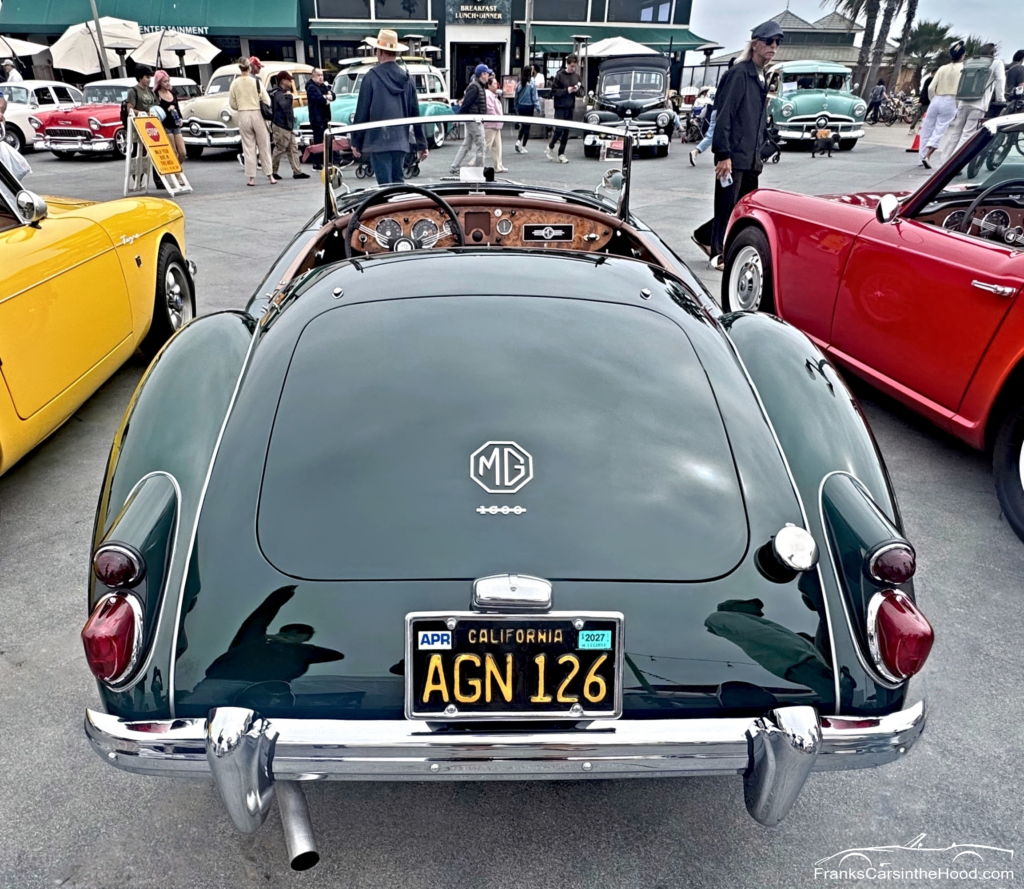
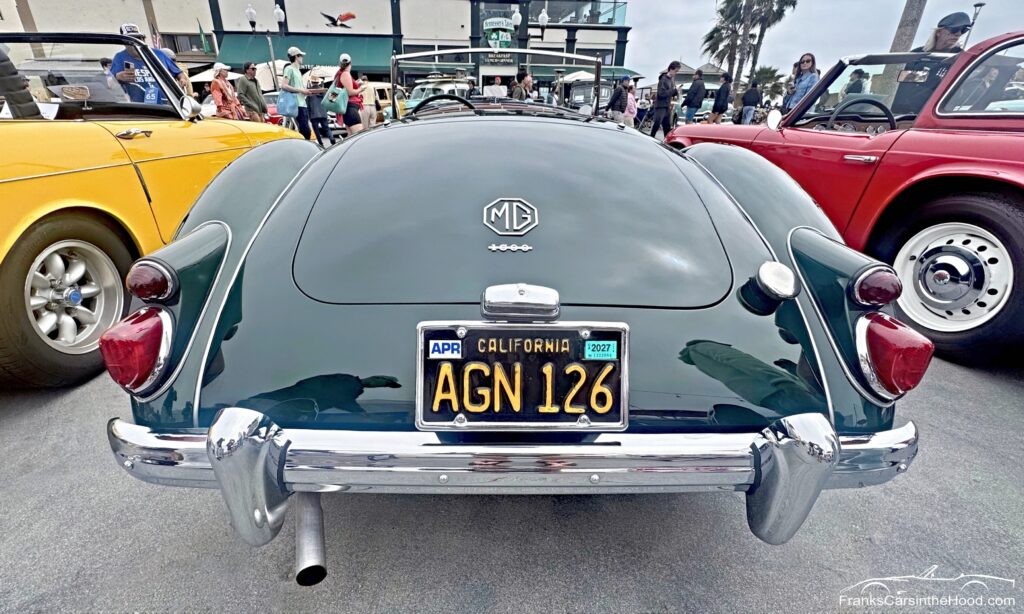
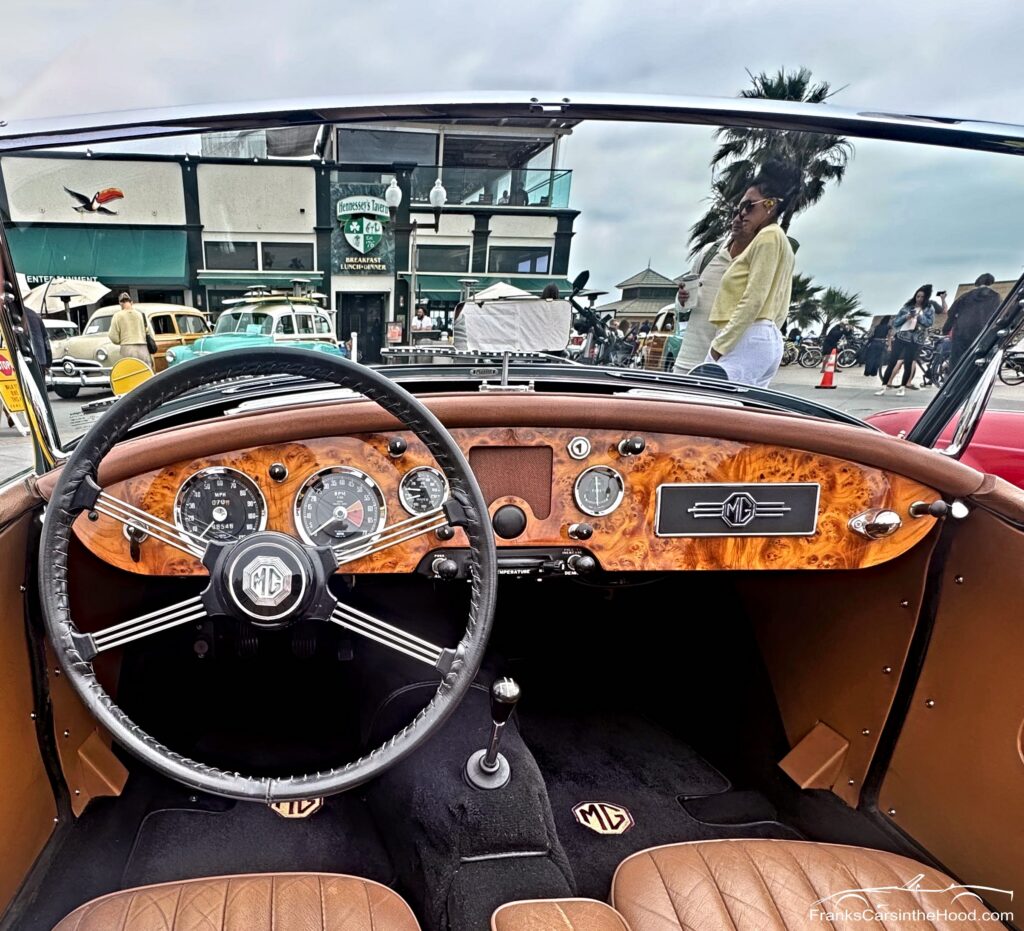
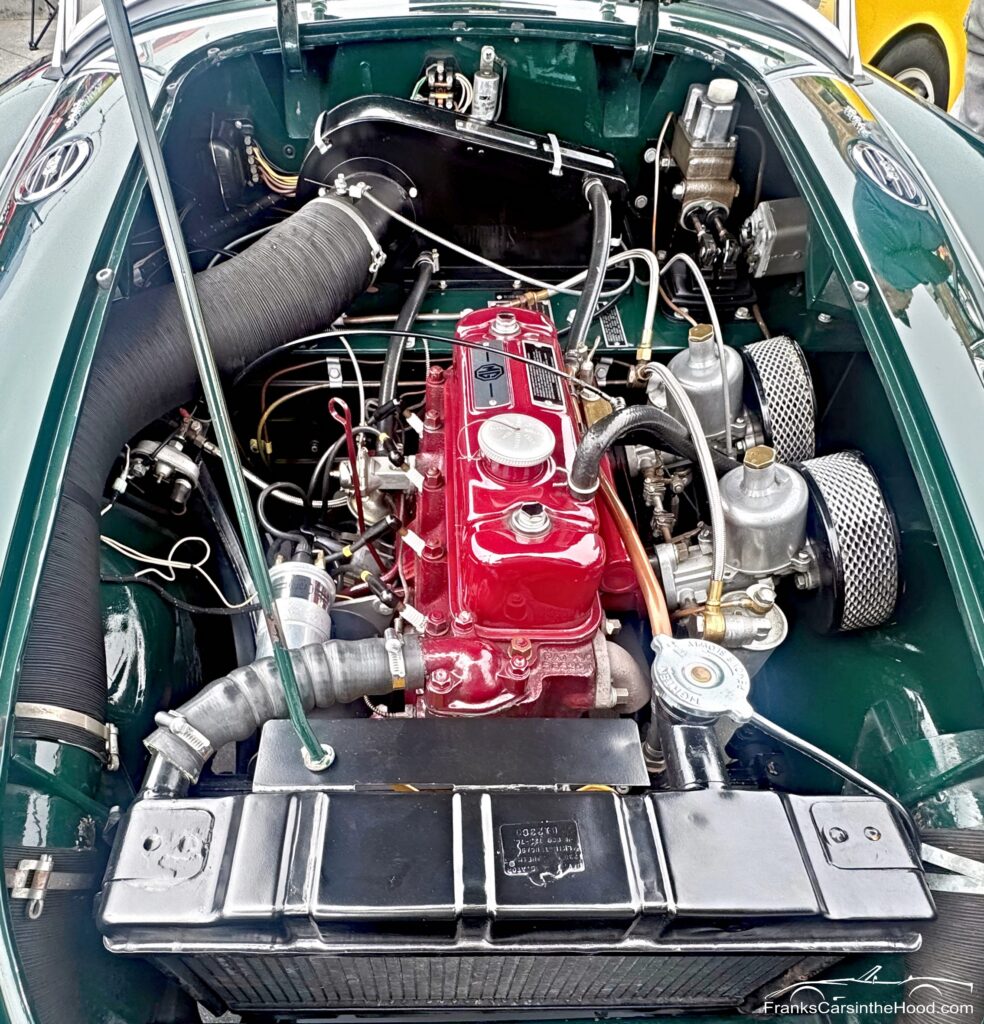
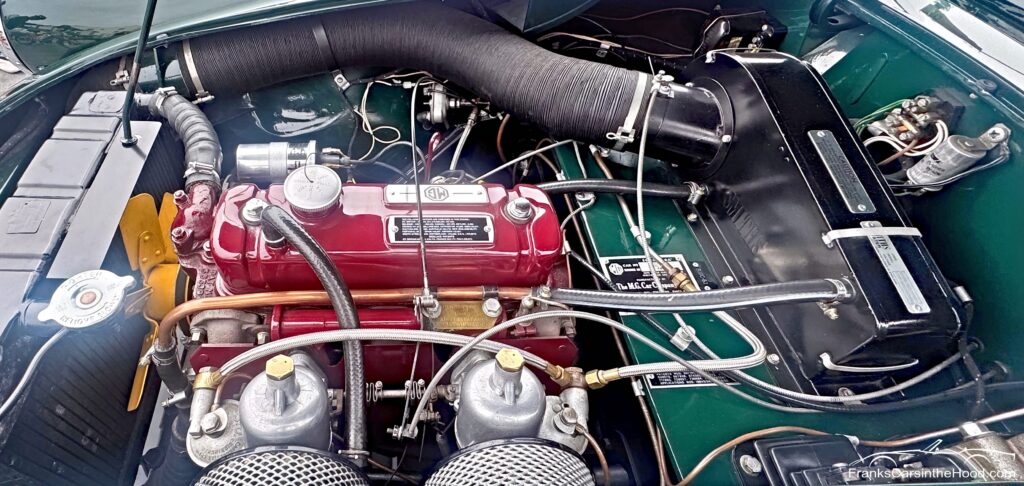
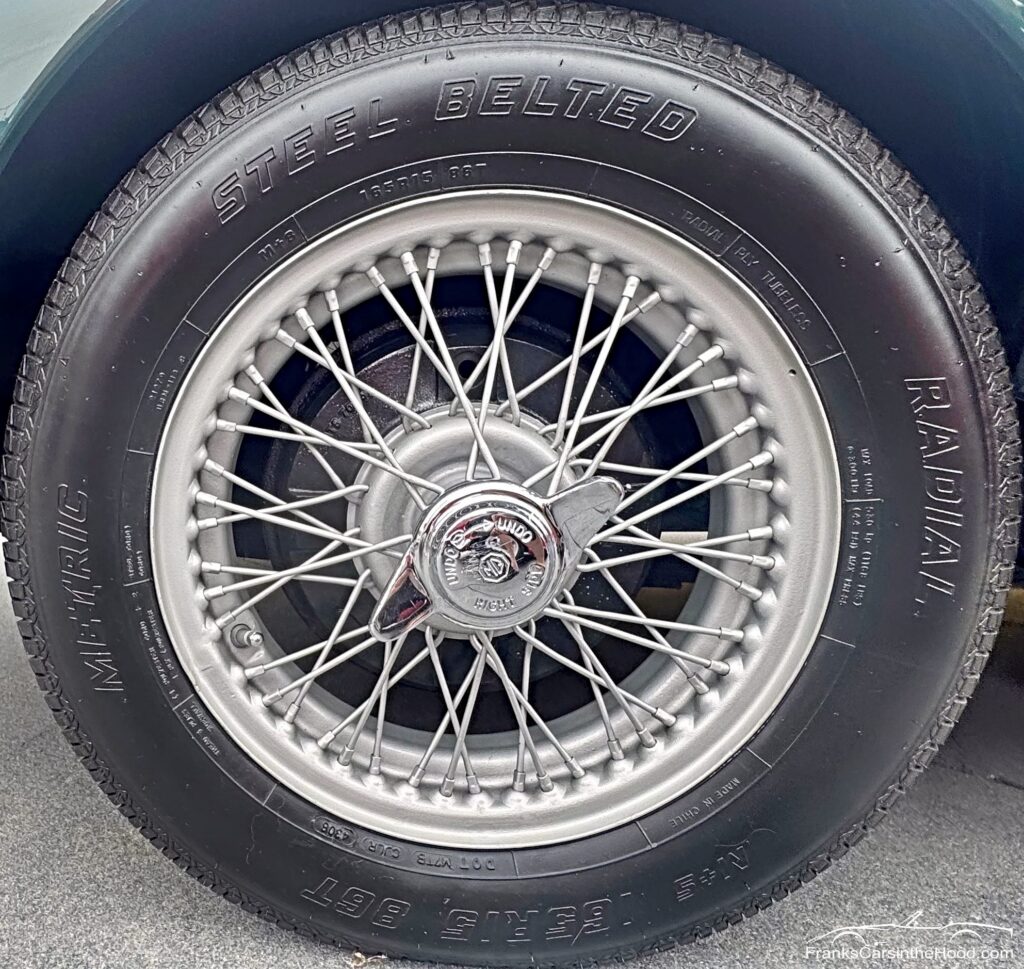
Today’s car is a 1961 MGA Roadster owned by Howie and Colette Margolies, which I photographed at the 27th Annual Hermosa Beach Endless Summer Classic Car Show in Hermosa Beach, CA. Finished in British Racing Green, a color never offered on the MGA from the factory, over a tan interior with a matching tan canvas top, this classic British roadster rides on its original factory wire wheels and retains its side curtains. Under the hood sits a replacement 1,798 cc MGB inline four-cylinder engine producing approximately 90 horsepower and fitted with the original MGA cylinder head, backed by the car’s original four-speed manual transmission with non-synchronized first gear and original 4.30:1 rear axle. Front disc brakes, rear drum brakes, independent front suspension with coil springs and wishbones, and a live rear axle suspended by semi-elliptic leaf springs provide the mechanical foundation. With its larger engine, period-correct wood dashboard, and well-preserved character, this MGA remains a wonderful example of one of Britain’s most influential sports cars.
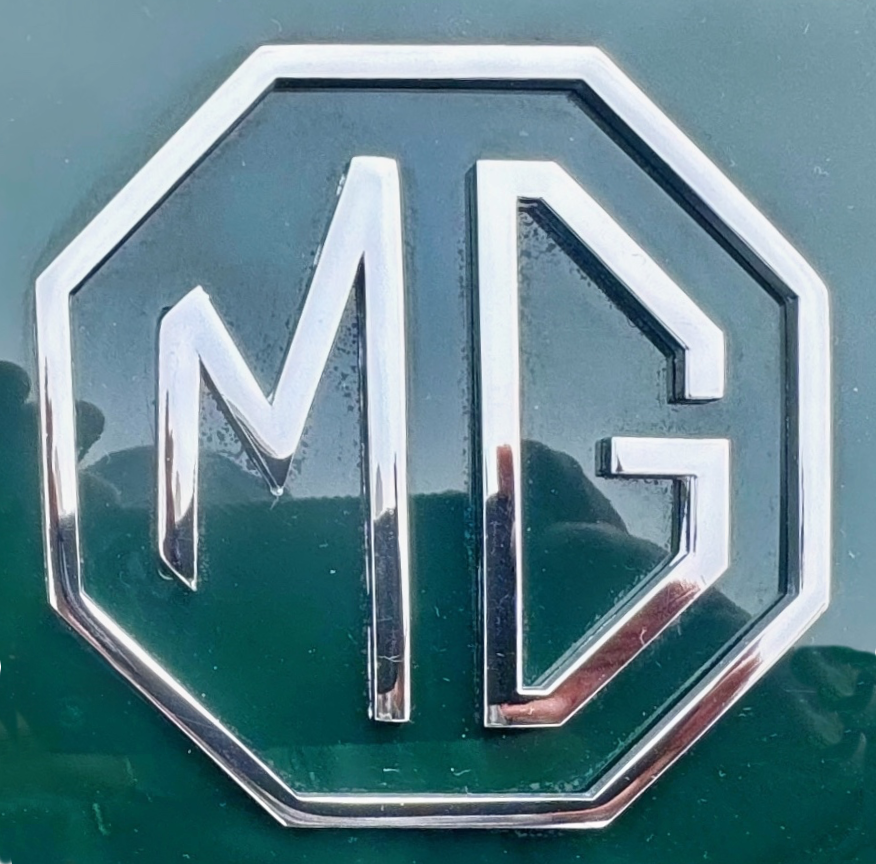
The MGA represented one of the most important turning points in MG history. Introduced in 1955, it replaced the aging MG TF and marked a complete departure from the upright, pre-war styling that had characterized MG sports cars for decades. The sleek, low-slung MGA was the first truly modern postwar MG and immediately positioned the company as a serious competitor in the growing sports car market. MG, which stands for Morris Garages, originally began as the performance-car division associated with Morris automobiles before evolving into one of Britain’s best-known sports car manufacturers.
Ironically, the MGA almost never happened. MG engineers had developed a sleek prototype known as the EX175 in 1952, but corporate management initially delayed production. As a result, MG hurriedly created the TF as a stopgap model while the new car waited for approval. Once introduced, however, the MGA quickly became one of the company’s greatest successes.
The MGA’s graceful body was largely the work of MG designer Syd Enever. Drawing inspiration from streamlined Le Mans racing specials built in the early 1950s, Enever replaced the separate fenders, running boards, and upright stance of MG’s earlier T-Series models with smooth envelope styling that sat lower to the ground and improved aerodynamics. The new chassis featured wider frame rails that allowed the seats to be positioned lower within the car, giving the MGA its sporty driving position and distinctive profile. Rack-and-pinion steering, still uncommon on production automobiles in the mid-1950s, further enhanced the car’s precise handling and helped establish the MGA’s reputation as a driver’s car. The result was a revolutionary new MG that looked more like a European grand touring car than a traditional British sports car.
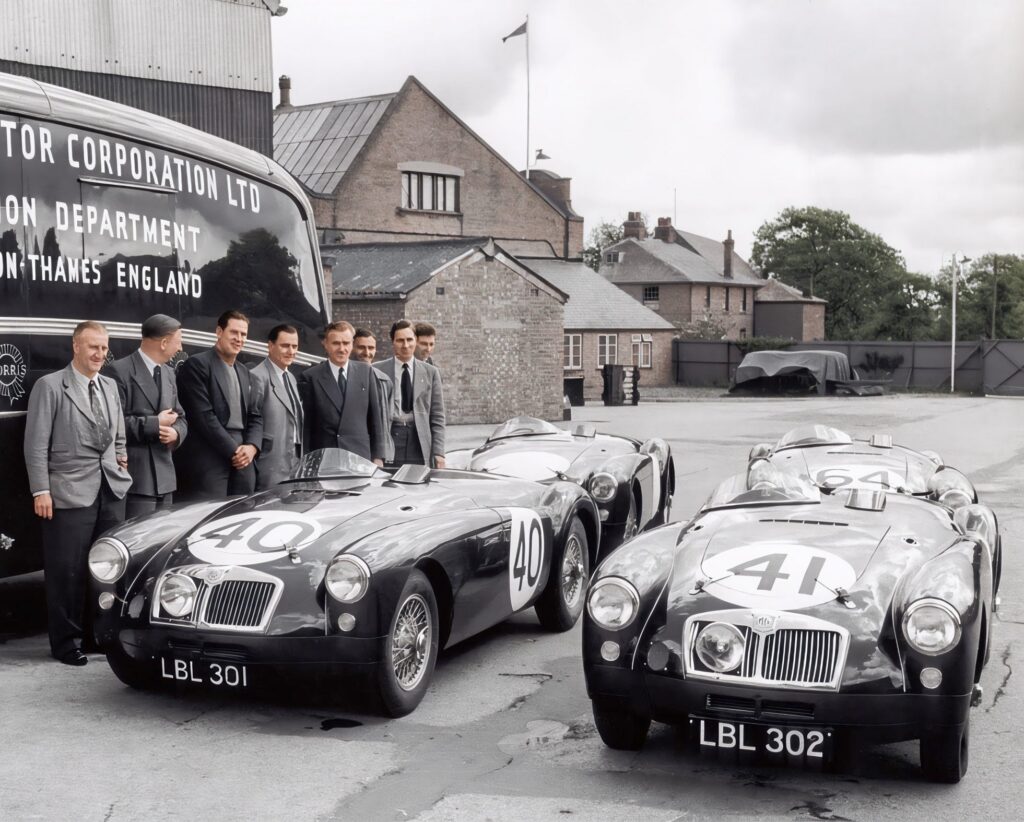
The MGA’s racing credentials were established before customers could even buy one. Prototype (EX182) versions competed at the famous 24 Hours of Le Mans in 1955, where two cars finished the grueling endurance race and demonstrated the durability of MG’s new design. Those racing successes helped launch the MGA’s reputation worldwide.
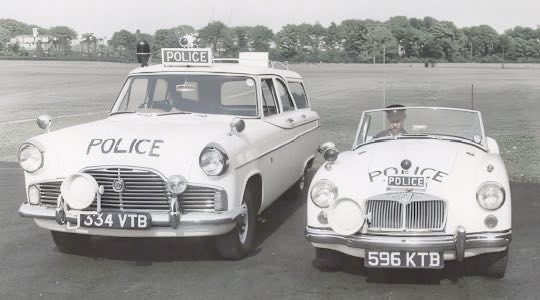
The MGA also found service beyond the race track. In Britain, specially equipped examples were used by police departments for highway patrol duties, where their speed and nimble handling made them effective pursuit vehicles.
The MGA enjoyed a remarkably production run. Between 1955 and 1962, MG built more than 101,476 roadsters and coupes, making the MGA one of the most successful British sports cars of its era. The vast majority were exported to North America, where they helped fuel America’s growing enthusiasm for British sports cars. A new MGA carried a base price of approximately $2,500 in the United States, with desirable options such as wire wheels, heaters, and tonneau covers adding to the final sticker price. Factory performance for a stock 1961 MGA 1600 included a top speed of approximately 96 mph and a 0-60 mph time of about 13.3 seconds, respectable for the era.
One feature that often catches enthusiasts by surprise is the wood dashboard. MGAs originally left the factory with body-colored painted steel dashboards, but wood dash kits were a popular period accessory and remain a common upgrade today. Although Howie still has the original painted dashboard, Colette prefers the warmer appearance of the wood version, so the upgrade remains in place.
Today, Howie and Colette’s MGA remains exactly what MG intended it to be more than sixty years ago—a lightweight, simple, and engaging sports car built for the pure enjoyment of driving. Whether cruising the South Bay coastline, attending a local Cars & Coffee gathering, or simply enjoying a sunny afternoon with the top down, this MGA continues to deliver the same open-air motoring experience that made it one of Britain’s most beloved sports cars. Few vehicles capture the spirit of classic British motoring quite as well as an MGA, and this beautifully maintained example does so with style, character, and just the right amount of individuality.
Thank you for riding along with me and for being part of the Frank’s Cars in the Hood community.
Frank