
Last updated on October 14, 2026
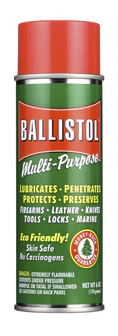
The Swiss Army Knife of the Garage
While Ballistol has been a staple in the firearm community for over a century, it is only recently surging into the broader awareness of the automotive community. Developed in Germany in the early 1900s for the Imperial Army, the name is a portmanteau of “ballistic” and “oleo” (oil). The military required a singular product capable of cleaning firearms, preserving wooden stocks, and conditioning leather gear. This versatile lineage makes it a powerhouse for classic car enthusiasts, where metal, rubber, and wood often live in close proximity.
The Science of “Creeping”
Unlike most oils that are pH-neutral or acidic, Ballistol is slightly alkaline. This allows it to neutralize skin oils and acidic environmental pollutants that cause corrosion on chrome and bare metal. It is also famously “creeping,” possessing an incredibly low surface tension that allows it to penetrate tight hinges, lock cylinders, and seized bolts. While many modern lubricants gum up over time, Ballistol remains fluid and will not resinify or harden.
Efficient Deep Cleaning: Taming the Grime
The cleaning potential of this oil is amazing, proving that you don’t need a massive chemical arsenal to handle a heavy job. In a recent test on an absolutely filthy, oily classic English car engine bay, I was able to transform the entire compartment using only ~3oz of product. Ballistol’s creeping nature lifts layers of old sludge from the surface without the need for high-pressure water – major win for sensitive electrical systems not to mention your driveway.
By breaking the bond between grime and metal, it allows you to simply wipe away decades of neglect. Beyond cleaning, the light residue left behind acts as a moisture barrier. For notoriously exposed ignition systems, this provides an essential layer of protection against damp-induced misfires while leaving a factory-fresh, non-greasy finish.
Ballistol vs. WD-40
While WD-40 is a household name, it is a solvent designed for water displacement rather than long-term preservation. It evaporates quickly and can leave a gummy residue that attracts dust and no longer protects against corrosion. More importantly, the petroleum distillates in WD-40 can be catastrophic for vintage rubber, causing it to swell or crack. Ballistol is chemically compatible with almost all materials, making it a “forever” oil that nourishes surfaces rather than drying them out.
From Rubber to Rosewood
Ballistol is a true multi-surface conditioner. On the exterior, it keeps door seals supple and prevents them from sticking in freezing weather. Inside the cabin, it cleans and rejuvenates leather seats, steering wheel wraps, and wood dashboard veneers. Because it is biodegradable and non-toxic, it is much safer to use in the confined space of a car interior than harsh chemical cleaners.

A Spa Day for Your Car (and You?)
In a testament to its “do-everything” reputation, Ballistol has a colorful history as a medicinal cure-all. Legend has it that German soldiers used it on everything from blistered feet to minor cuts, and some old-timers still swear by it for treating a sore throat.
While I don’t recommend “degreasing” your own digestive tract, there is peace of mind in knowing that getting it on your hands during use might just be a spa treatment. It is likely the only product in your garage that can lubricate a throttle linkage and, according to some very brave souls, treat a patch of poison ivy in the same afternoon.
Ballistol can be purchased directly from the manufacturer at https://ballistol.com/ or on Amazon. I recommend the 2 pack of 6oz aerosol cans. You can also get a 16oz liquid but I’ve found it doesn’t go as far.