The night before the 2026 ArtCenter Design Invitational, I was doing what most car guys do, scrolling through photos online when something stopped me in my tracks. It was a Porsche wearing Zagato coachwork, and I couldn’t believe such a car even existed. Less than twenty-four hours later, I walked into the show, where Italian marques were being celebrated, and found myself standing in front of what looked like the very car I had been admiring the night before. As Steve Davis began sharing the history behind his remarkable Speedster, I quickly realized I wasn’t simply looking at a rare Porsche. I was standing in front of the rebirth of one of the most fascinating lost stories in Porsche history.
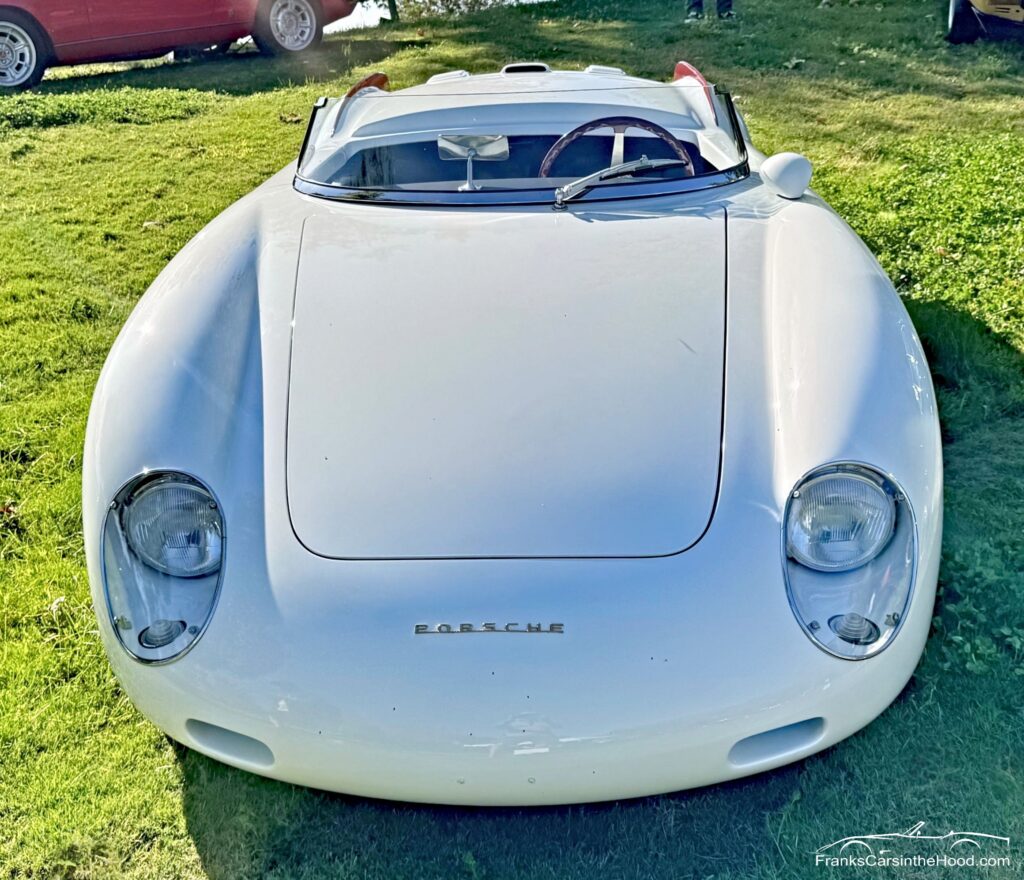
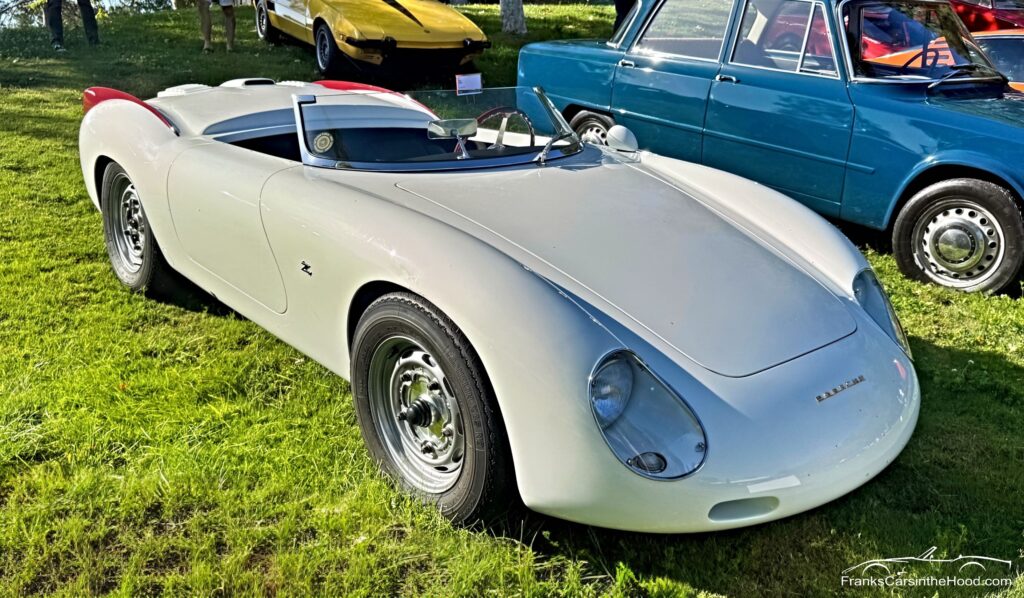
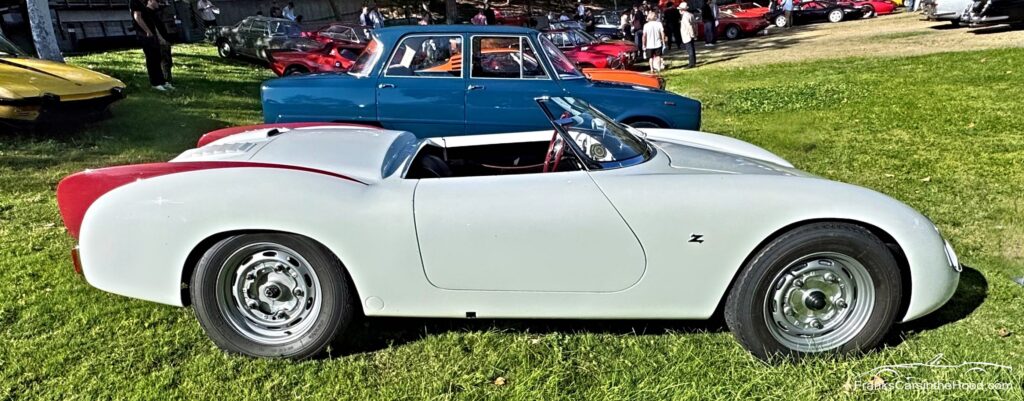
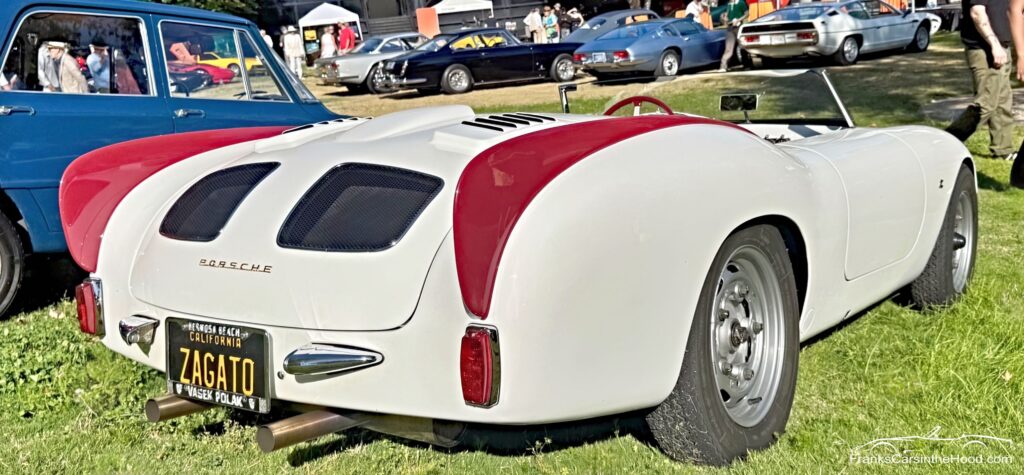
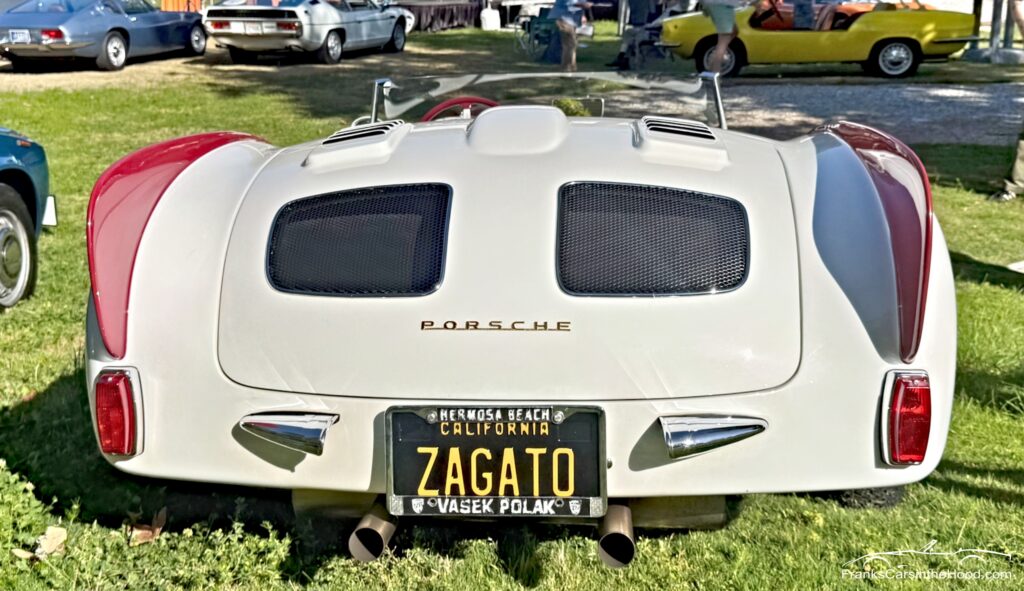
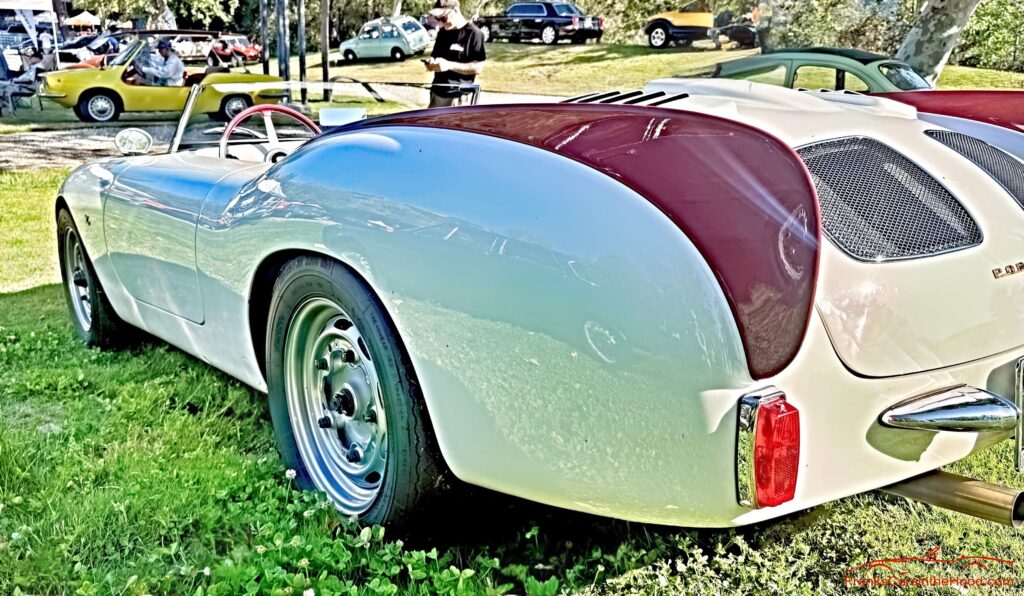
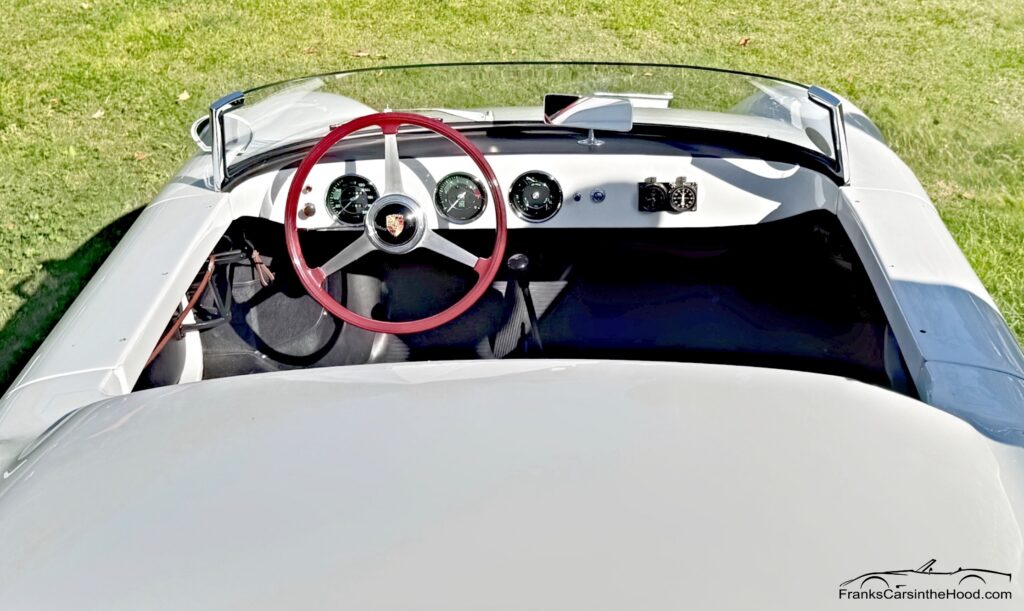
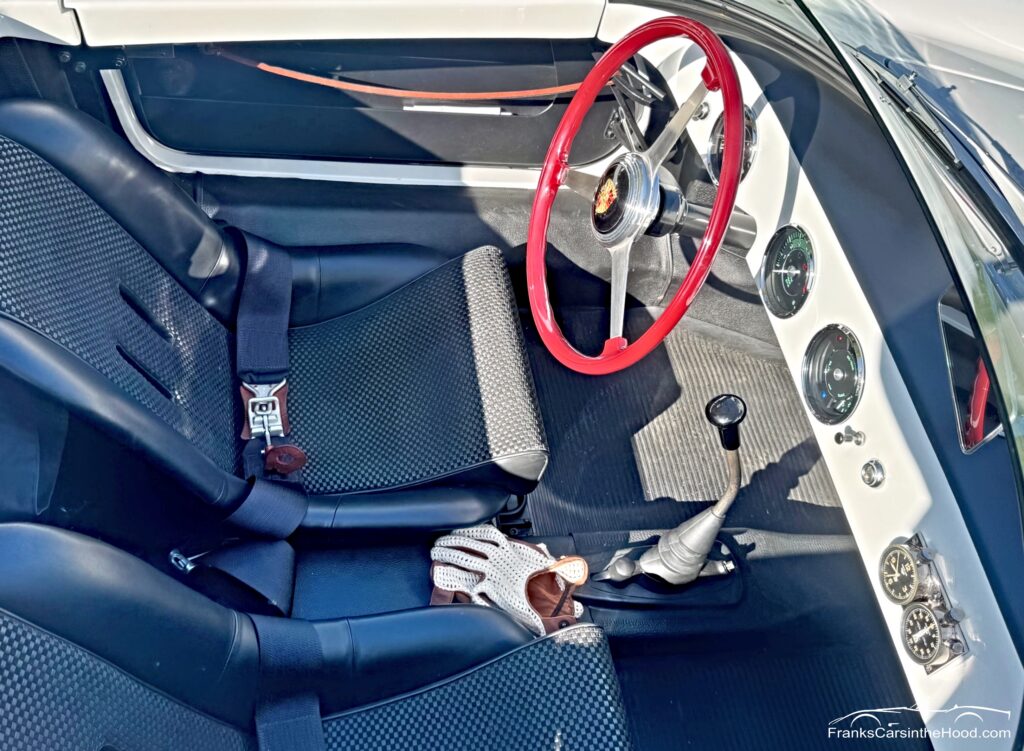
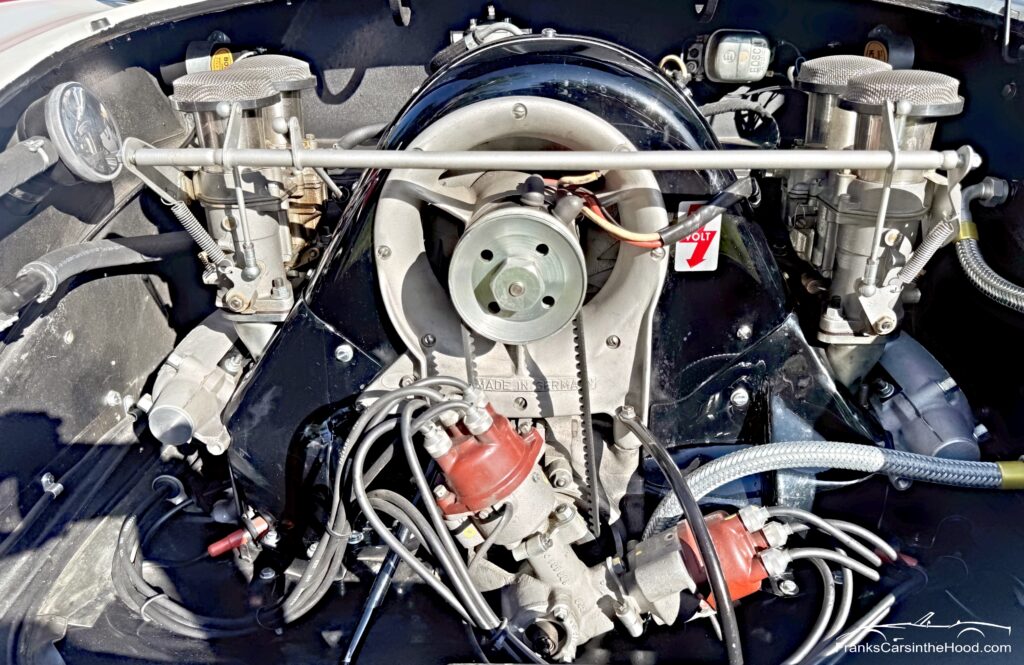
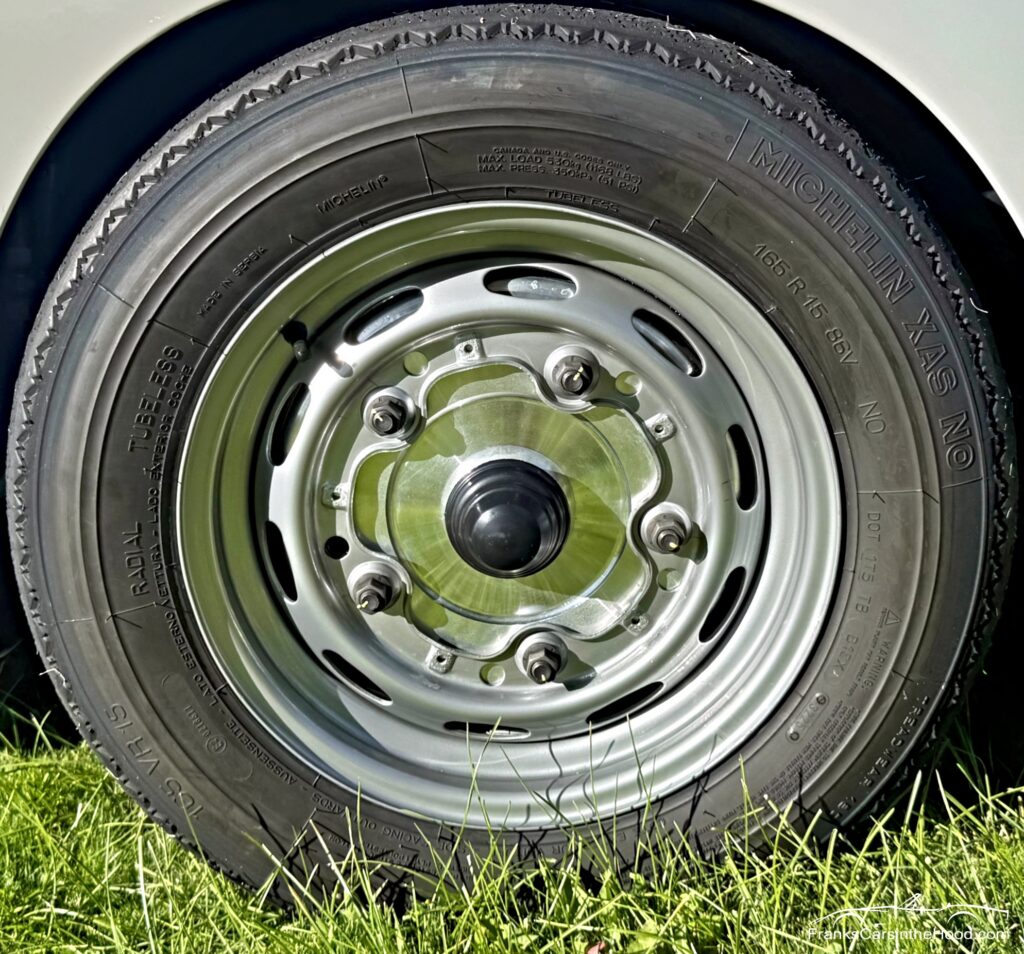
Today’s car is a 1960 Porsche 356 Carrera Zagato Speedster Sanction Lost owned by Steve Davis and Cindy Ho, which I photographed at the 2026 ArtCenter Design Invitational. Finished in Bianco Gardenia with red accents highlighting Zagato’s signature rear fins, the cockpit now features updated black competition-style seats with woven cloth inserts, while the iconic red steering wheel remains. This remarkable automobile is one of only nine numbered Zagato Sanction Lost Speedsters. Zagato also built nine Coupes, following the completion of an unnumbered prototype. Beneath its handcrafted aluminum coachbuilt body sits a Peter Iversen-built 1,750 cc Porsche four-cam engine, based on the legendary 692 RSK specification and breathing through dual Weber 48 carburetors. Power is delivered through a Porsche Type 741 four-speed manual transaxle, while four-wheel hydraulic drum brakes and Porsche’s fully independent torsion-bar suspension complete a package built around the same philosophy that inspired Claude Storez nearly seventy years ago: reduce weight, improve aerodynamics, and let a lighter, more aerodynamic car challenge far more powerful competitors. According to Steve, his Speedster is the only Sanction Lost Speedster powered by a genuine Carrera four-cam engine.
To understand why the eighteen Sanction Lost Porsches exist, you first have to know the man who inspired them.
Born in Paris in 1927, Claude Storez became one of France’s finest racing drivers during the 1950s. Financially supported by his father’s successful printing business, Storez quickly built an impressive racing résumé competing in Simcas, Deutsch-Bonnet (DB)-Panhard racing cars, and Porsches. He became French Champion in 1956 and again in 1957, competed at Le Mans, Spa, the Mille Miglia, and the Tour de France Automobile, earning the respect of Porsche itself. His talent eventually led to factory-supported drives, including an outright victory at the 1956 Reims 12 Hours for cars under 1.5 liters in a works Porsche 550 Spyder.
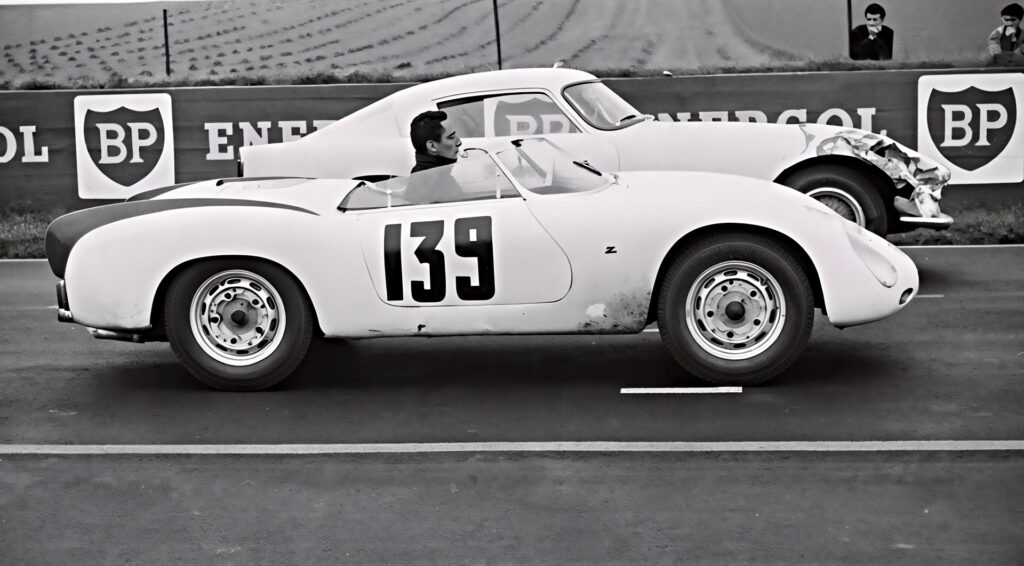
By 1957, Storez wasn’t searching for more horsepower. He was searching for an advantage. Watching lightweight Zagato-bodied Alfa Romeos and Abarths consistently challenge and often outperform more powerful competitors convinced him that reducing weight and improving aerodynamics could make the difference. After purchasing a new Porsche 356 Carrera Speedster, he drove it to Zagato’s workshop in Milan with a simple request: transform it into the ultimate lightweight competition Porsche.
Founded in 1919 by Ugo Zagato, the Milan coachbuilder had already earned a reputation for producing lightweight, aerodynamic bodies for many of Europe’s finest sporting automobiles. Their philosophy was simple: remove unnecessary weight, improve airflow, improve aerodynamics, and let thoughtful design create a competitive advantage. It was exactly the approach Storez believed could transform his already capable Porsche into an even more competitive racing machine.
For Zagato, it was the perfect assignment.
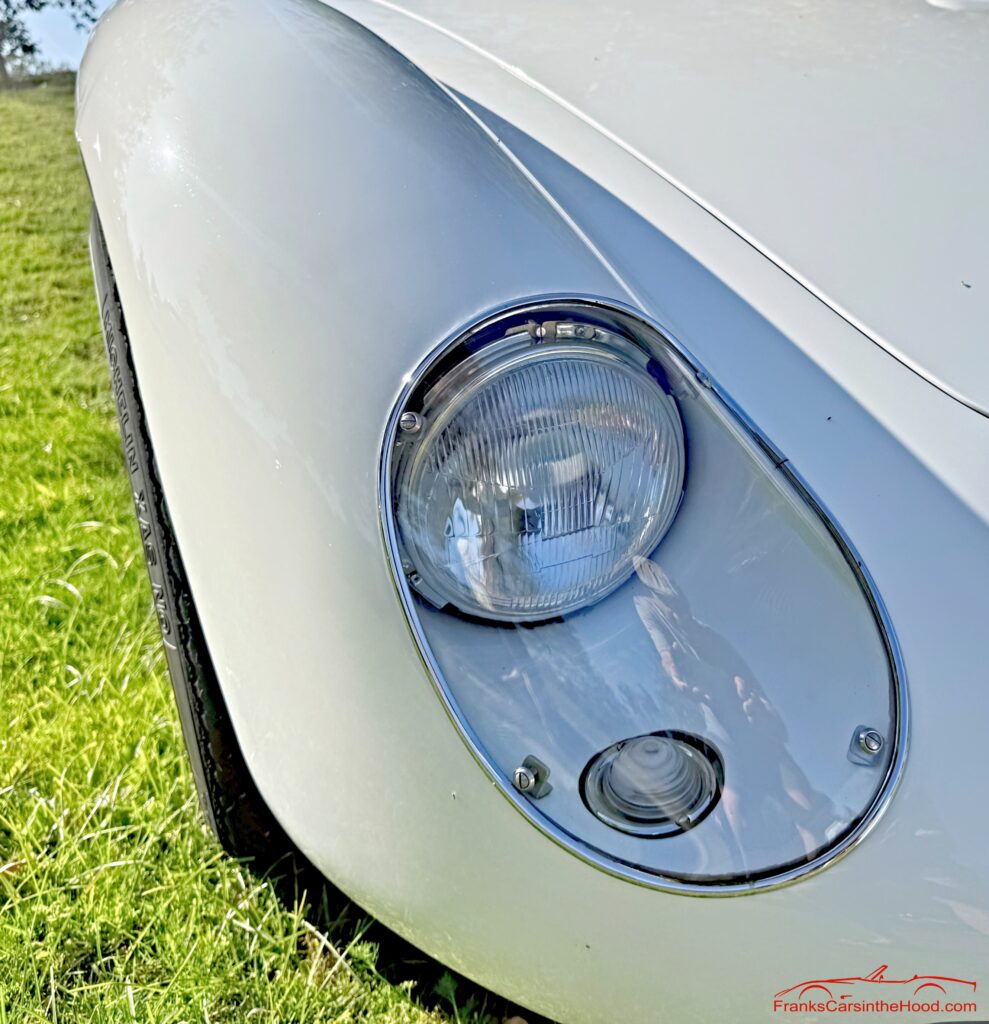
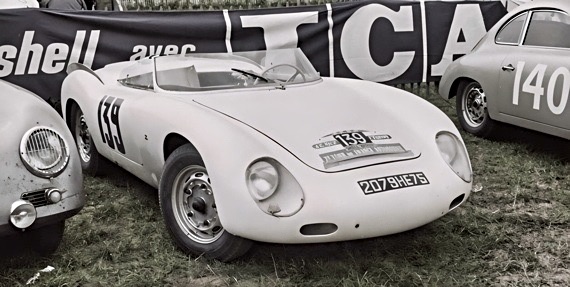
Using handcrafted aluminum, Zagato transformed Storez’s Carrera Speedster into something unlike any Porsche seen before. The lightweight body was more aerodynamic than the standard Speedster while maintaining the unmistakable character of a Porsche. A graceful wraparound windshield, faired-in headlamps, purposefully designed cooling vents, and elegant twin rear fins gave the car a distinctive appearance while remaining true to its racing purpose.
Once the coachwork was completed, the car returned to Porsche’s factory in Stuttgart, where the mechanicals received their final preparation before the finished Speedster was painted Bianco Gardenia with red highlights on the rear fins and delivered to Storez.
Ironically, the beautifully finished Porsche never reached its owner. While Storez’s cousin was driving the completed car back to Paris, an accident only a few miles from the factory badly damaged the new body. The Speedster was returned to Zagato for repairs before Storez ever had the opportunity to race it.
Once repaired, the car immediately proved its worth. Entered in the 1958 Tour de France Automobile with Robert Buchet as co-driver, the striking white Porsche-Zagato demonstrated exactly what Storez had envisioned. During the high-speed Reims stage, where outright horsepower usually ruled the day, Storez finished behind only Olivier Gendebien’s Ferrari 250 GT. It was a remarkable achievement for a lightweight four-cylinder Porsche competing against some of Europe’s most powerful grand touring cars, proving that Zagato’s philosophy of removing unnecessary weight, improving airflow, improving aerodynamics, and letting thoughtful design create a competitive advantage had worked exactly as Storez had hoped.
The partnership between Claude Storez, Porsche, and Zagato appeared destined for even greater success. Unfortunately, fate had other plans.
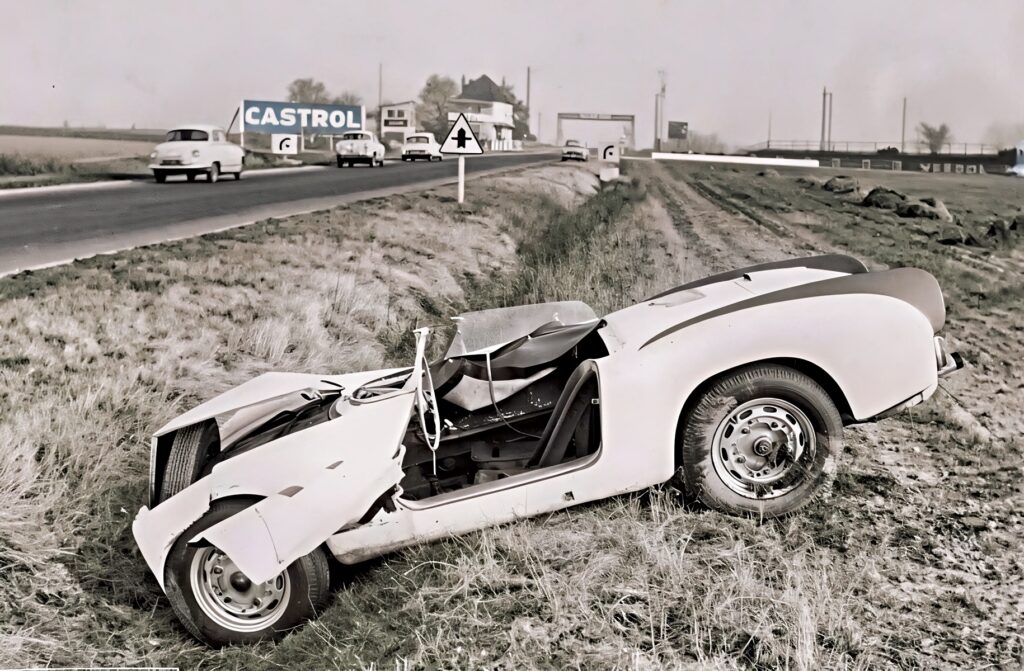
During the Rallye des Routes du Nord in February 1959, the unique Porsche-Zagato suffered damage to its right-front bodywork before the Reims competition stage. As Storez approached the fast right-hand Thillois corner at nearly 120 mph, the white Porsche suddenly lurched to the right, left the pavement, plunged into a deep ditch, rolled several times, and threw him from the cockpit. Claude Storez, just thirty-two years old and regarded as one of France’s finest racing drivers, died shortly after being flown by helicopter to the hospital. The badly damaged Zagato-bodied Porsche disappeared after the wreck was cleared and has never been seen again.
For more than half a century, the Storez Porsche remained one of the great “what if” stories in automotive history. Then American collector Herb Wetanson approached Zagato with an extraordinary request. Could they recreate Claude Storez’s long-lost Speedster?
Wetanson was already familiar with Zagato’s craftsmanship, having previously commissioned another continuation project from the famous Italian coachbuilder. Zagato accepted the challenge, but recreating the Storez Speedster would require far more than simply building another Porsche. The original car had disappeared following Storez’s fatal accident. There was nothing to measure, nothing to examine, and no surviving body to copy. Everything would have to begin with history.
Andrea Zagato explained that the company wanted to give one of its most important lost designs a second life because it represented the very first collaboration between Zagato and Porsche. The project became known as “Sanction Lost,” a name inspired by the disappearance of Storez’s original Speedster following his fatal accident. Using original photographs preserved in Zagato’s archives, period design drawings, and modern photogrammetry, the coachbuilder created an accurate digital model of the lost Speedster before hand-forming each aluminum body using the same traditional methods employed in the 1950s. As Andrea Zagato explained, only the technology used to recreate the design was modern. The craftsmanship remained true to 1958.
Steve explained that the original owner of his Speedster selected a Porsche 356 B donor specifically because of its desirable Type 741 transmission. Both Porsche 356 A and 356 B models were used during the Sanction Lost project, depending on the owner’s preference, making each completed car slightly different while remaining faithful to Zagato’s original vision.
Steve and Cindy purchased the Speedster three years ago from its second owner. Before taking it on the California Mille, Porsche specialist Chris Ganau of Ganau Studio in Seattle, former head engineer at Singer Vehicle Design and overall project manager for the DLS program, thoroughly sorted the car. The effort paid off. Steve said they covered approximately 1,000 miles during the event, giving them the opportunity to experience firsthand the lightweight, responsive character Claude Storez had envisioned nearly seventy years earlier.
Whether cruising the Southern California coastline, carving through canyon roads, attending a concours, or pulling into a local Cars & Coffee gathering, this remarkable Porsche continues to deliver the same lightweight, open-air driving experience that first inspired Claude Storez nearly seventy years ago. Thanks to Zagato’s Sanction Lost project and enthusiasts like Steve and Cindy, his vision lives on every time the engine comes to life.
Thank you for riding along with me and for being part of the Frank’s Cars in the Hood community. Frank